Bulldog
A British mastiff-type breed, originally used for bull-baiting.

Moriz Jung / Wiener Werkstätte · CC0
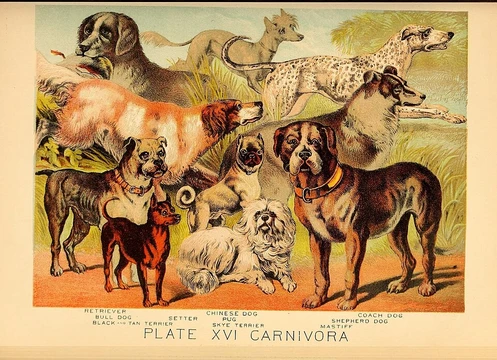
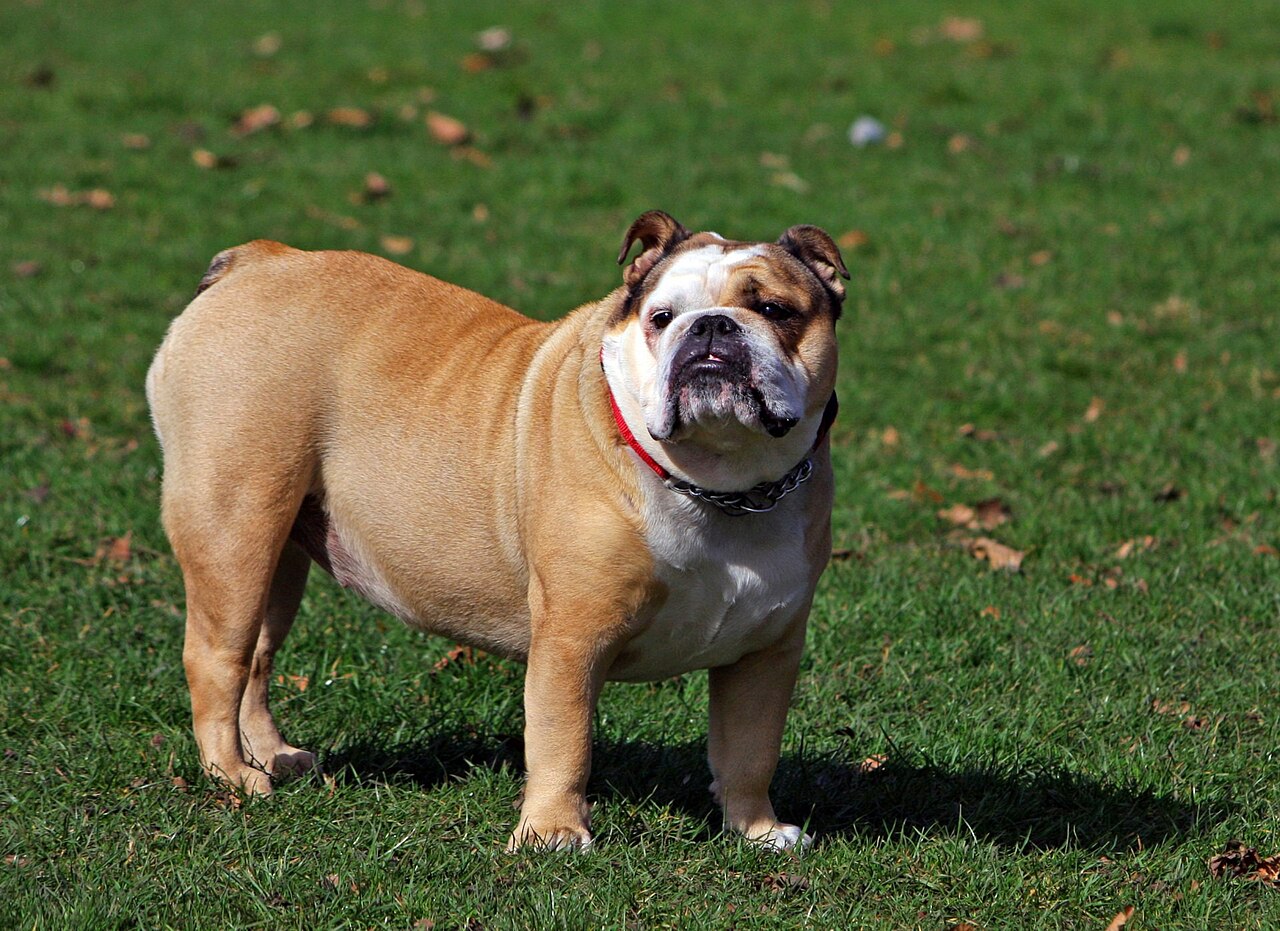
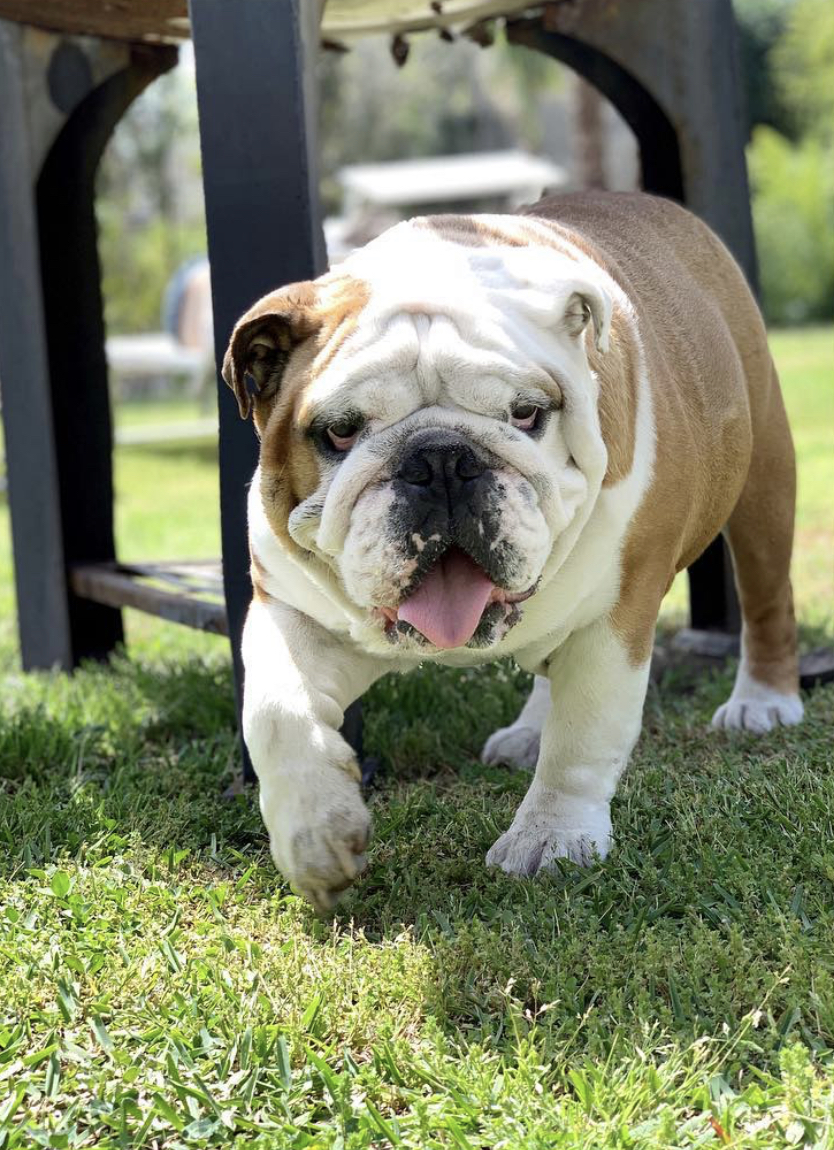
The Bulldog is a British breed of dog of mastiff type, also known as the English Bulldog or British Bulldog. It is a stocky, muscular dog of medium size, with a large head, thick folds of skin around the face and shoulders, and a relatively flat face with a protruding lower jaw. While often used as a symbol of ferocity and courage, the modern Bulldog is generally a friendly, amiable dog commonly kept as a pet.
- life expectancy (2024 UK study)
- 7.39 years
Lore & Background
The designation 'bull' was applied because of the dog's use in the sport of bull-baiting, which entailed setting dogs onto a tethered bull; the dog that grabbed the bull by the nose and pinned it to the ground would be the victor. Bulldogs as pets were continually promoted by dog dealer Bill George. S. Rockstro founded the Bulldog Club, which ceased to exist three years later.
Reader's Guide
The Bulldog's significance lies in its transformation from a bull-baiting dog to a companion breed, reflecting changes in animal welfare laws and cultural attitudes. Selective breeding for appearance has led to increased susceptibility to various health problems, including brachycephaly, hip dysplasia, and heat sensitivity. The breed is illegal to breed in the Netherlands because of concerns about quality of life. Over 80% of Bulldog litters are delivered by Caesarean section due to the large heads of puppies. The breed has the highest rate of hip dysplasia among all breeds tested by the Orthopedic Foundation for Animals, with 73.9% affected. Despite these issues, the Bulldog remains popular; in 2013 it was the twelfth-most-frequently registered breed worldwide.
Did You Know?
- Over 80% of Bulldog litters are delivered by Caesarean section.
- The Netherlands has regulations on breeding Bulldogs but no outright ban.
From Blood Sport to Living Room
The Bulldog's origins are inseparable from one of England's bloodiest pastimes. Their purpose was clear: in bull-baiting, dogs were set upon a tethered bull after wagers were placed, and the victor was whichever dog could seize the bull by the nose and pin it to the ground. The toll was brutal—bulls routinely gored, tossed, or trampled their opponents to death. Over generations, dogs selected for this work grew stocky, developed enormous heads and jaws, and carried a savage disposition. Emigrants, however, still put the breed to practical use in the New World; in mid-seventeenth-century New York, Governor Richard Nicolls employed Bulldogs to seize wild bulls by the nose during citywide roundup operations. Back in England, dog dealer Bill George began marketing the breed as a household companion, setting the stage for the gentle pet we know today.
Clubs, Standards, and a Defining Contest
The institutional history of the Bulldog mirrors its physical transformation. S. Rockstro formed the first Bulldog Club, but it dissolved after three years without a single show. A defining moment came that same year when King Orry and Dock Leaf competed in a twenty-mile walk. King Orry, lighter-boned and athletic, finished the course. Dock Leaf, heavier and more like the modern type, collapsed and died—proof that selective breeding had moved the breed far from its original capabilities.
The Price of Appearance
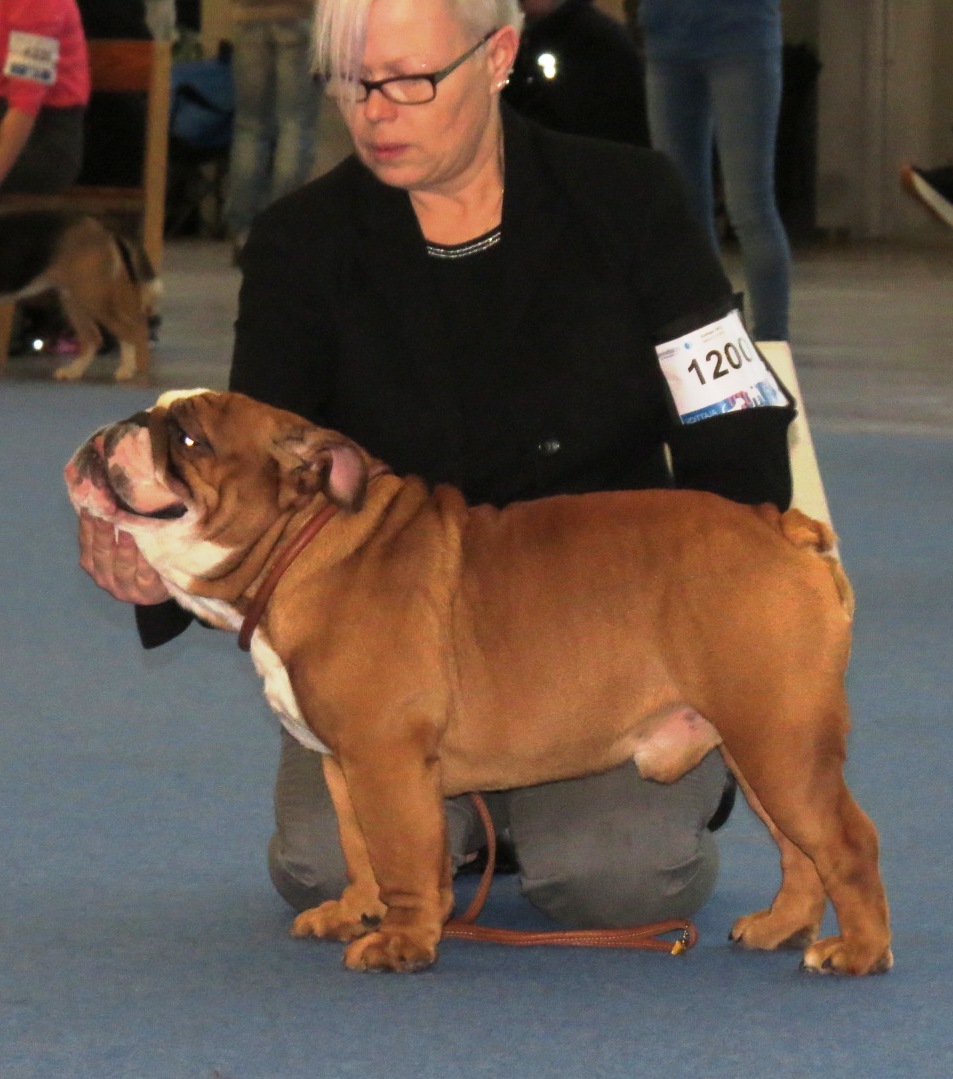
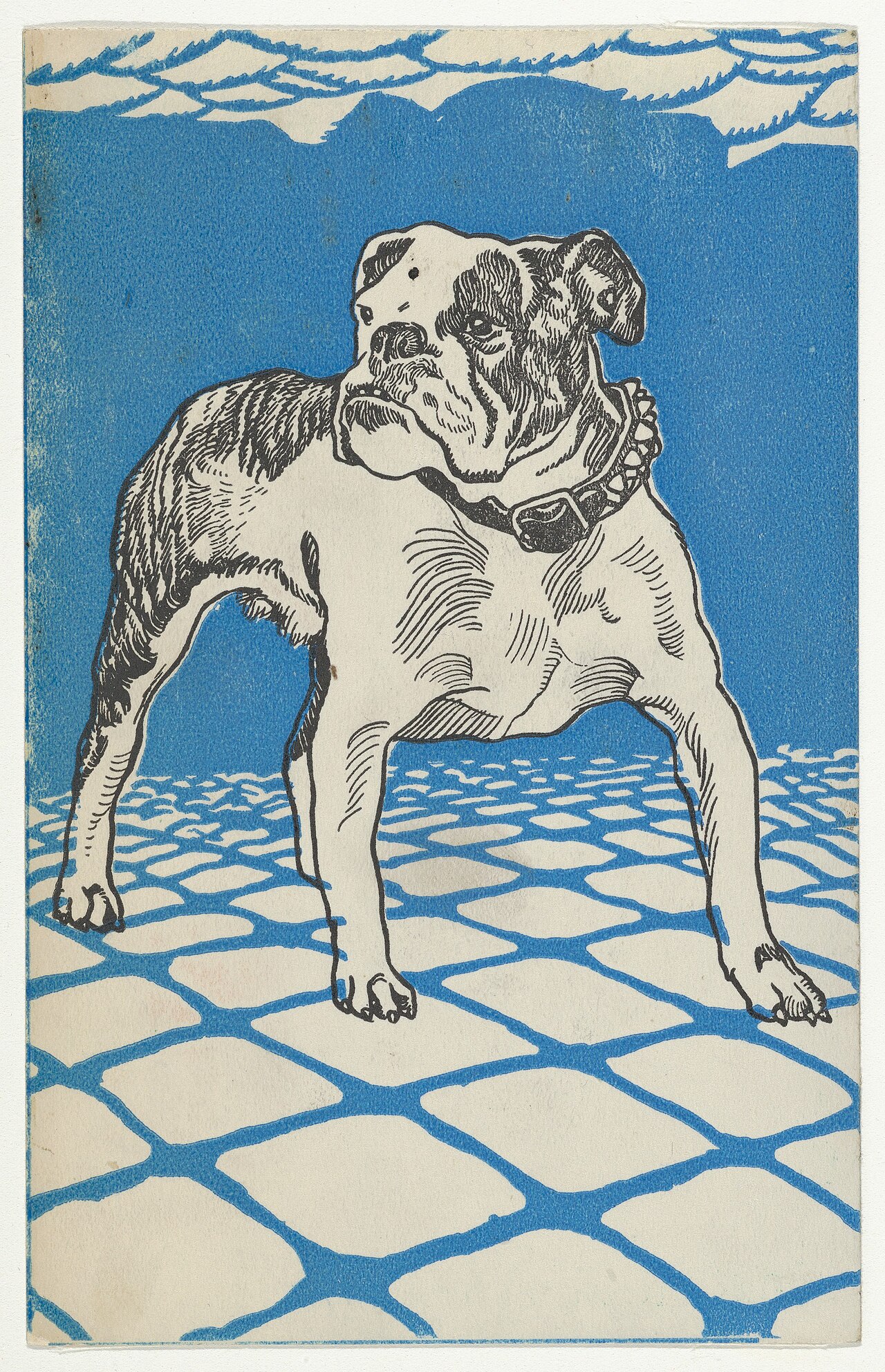
The Bulldog's distinctive look—wide head, thick facial and shoulder folds, a short muzzle with a rope or nose roll, drooping lips, an underbite with an upturned jaw, and round black wide-set eyes—is the product of centuries of selective breeding. The coat is short, flat, and sleek, coming in red, fawn, white, brindle, and piebald. Males typically weigh around 55 pounds, females about 50, though American standards set lower targets. Tails are short, either hanging straight or curled into a corkscrew. Yet this appearance carries a heavy medical cost. The shortened snout and pushed-in face, known as brachycephaly, compound with hip dysplasia and heat sensitivity to make the breed unusually vulnerable to health problems. Cardiac disease and cancer are the leading causes of death. Concerns about the breed's quality of life are so severe that breeding Bulldogs is outright illegal in the Netherlands.
A Gentle Giant in the Modern World
Despite its reputation as a symbol of ferocity and courage, the modern Bulldog is generally a friendly, amiable companion. The American Kennel Club describes the ideal disposition as "equable and kind, resolute, and courageous (not vicious or aggressive)," with a demeanour that is "pacifist and dignified." Bulldogs are known for getting along well with children, other dogs, and other household pets, making them a popular family choice. The breed's popularity is reflected in registration numbers: in 2013 it ranked as the twelfth-most-frequently registered breed worldwide. What began as a working dog for a brutal blood sport has been reshaped, over roughly two centuries, into a stocky, medium-sized pet whose greatest strength is its gentle, dignified presence in the home. The transformation is one of the most dramatic in the history of dog breeding.
Common Misconceptions (Editorial)
Some people believe the Bulldog’s historical designation as “bull” refers to its temperament as a fierce, aggressive pet. In fact, the name comes from the breed’s original use in the sport of bull-baiting, not from its modern disposition—the modern Bulldog is generally a friendly, amiable dog commonly kept as a pet.
Why It Matters (Editorial)
The Bulldog endures as a cultural symbol of determination and grit, even as its modern role has shifted from a working dog in a brutal sport to a companion animal. Its continued popularity raises important conversations about breed health and welfare, particularly given its short average lifespan of 7.39 years and the high rate of Caesarean deliveries required for its litters.
Gallery

Frequently Asked Questions
Who is Bulldog?
The Bulldog is a stocky, medium-sized British mastiff-type breed instantly recognizable by its oversized head, heavy facial wrinkles, and a short muzzle with a jutting lower jaw. It goes by several names, including English Bulldog and British Bulldog.
What are Bulldog's powers/role?
Historically the breed was built for the brutal task of gripping and holding onto a bull during baiting matches. In its modern incarnation, however, the Bulldog serves purely as a gentle, affectionate household companion, and its intimidating look is largely cosmetic rather than a sign of aggression.
More in Dog Breeds 1-22
Spotted an error? Know more?
This is a living reference — every entry is fact-audited, and reader corrections feed straight into our audit queue. Suggest an edit · See this site's audit record