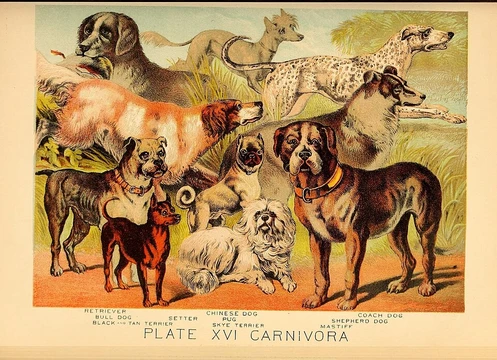
German Shepherd
A versatile working breed developed in Germany from 1899.

via Wikipedia: German Shepherd · see source
The German Shepherd, also known in Britain as an Alsatian, is a German breed of working dog of medium to large size. It was developed in Germany from 1899 by Max von Stephanitz, using various traditional German herding dogs, and gained international recognition after the end of the First World War. It is characterized by its intelligent and obedient nature, and is among the most frequently registered breeds world-wide.
- origin
- Germany
- developed
- 1899
- breeder
- Max von Stephanitz
- field
- Working dog (herding, police, military, search-and-rescue, disability assistance
- height_males
- 60–65 cm (24–26 in)
- height_females
- 55–60 cm (22–26 in)
- top_speed
- 30 miles per hour (48 km/h)
Verified Timeline
Lore & Background
During the 1890s, attempts were made to standardise dog breeds in Germany, but the Phylax Society, formed in 1891, disbanded after three years due to internal conflicts over whether to breed for work or appearance. Max von Stephanitz, an ex-cavalry captain and former student of the Berlin Veterinary College, believed dogs should be bred for working. In 1899, at a dog show, he purchased a dog named Hektor Linksrhein, renamed Horand von Grafrath, and founded the Verein für Deutsche Schäferhunde (Society for German Shepherd Dogs). Horand became the first German Shepherd Dog and the center of breeding programs, with inbreeding used to fix desired traits. During the first half of the twentieth century, the breed became strongly identified with Imperial and Nazi Germany. Adolf Hitler owned several German Shepherds, including Blondi, who was in the Führerbunker during the Battle of Berlin and died after Hitler ordered a cyanide capsule test. The breed was also used as guard dogs at Nazi concentration camps. After World War I, the UK Kennel Club renamed the breed 'Alsatian Wolf Dog' to avoid anti-German sentiment; the name 'Alsatian' remained until 1977, when British kennel clubs allowed registration as German Shepherds again, with 'Alsatian' in parentheses removed in 2010.
Reader's Guide
The German Shepherd's significance lies in its development as a standardized working breed by Max von Stephanitz, who sought to preserve the intelligence, strength, and herding abilities of Germany's native sheepdogs. The breed's versatility allowed it to transition from herding sheep to roles in disability assistance, search-and-rescue, police work, and warfare, making it one of the most widely used working dogs globally. Its popularity fluctuated due to political associations: after World War I, anti-German sentiment led to renaming in the UK, and after World War II, popularity declined again. However, the breed recovered, becoming the second most popular breed in the United States by 2016 and consistently ranking among the most registered breeds worldwide. The breed's legacy includes its role in Nazi propaganda and its portrayal as a dangerous breed in the 1920s, leading to import bans in Australia in 1929. Despite these controversies, the German Shepherd remains a prominent companion dog and working breed, with a genetic lineage traceable to Horand von Grafrath and his inbred progeny.
Did You Know?
- The breed was originally named 'Deutscher Schäferhund' by Max von Stephanitz, translating to 'German Shepherd Dog.'
- Adolf Hitler owned a German Shepherd named Prinz in 1921, who escaped from lodging and returned to him.
- In 1929, Australia briefly banned the importation of German Shepherds due to their reputation as a dangerous breed.
- The UK Kennel Club renamed the breed 'Alsatian Wolf Dog' after World War I, and the name 'Alsatian' was not removed from the formal breed name until 2010.
- By 1923, the Verein für Deutsche Schäferhunde claimed 50,000 dues-paying members in more than 500 branches in Germany alone.
From Shepherd's Field to Standardized Breed
During the 1890s, German shepherds selected and bred dogs for herding sheep and protecting flocks from predators. The resulting animals possessed intelligence, speed, strength, and a keen sense of smell, yet they varied dramatically in both appearance and ability from one locality to another. The Phylax Society, formed in 1891, attempted to create standardized development plans for native breeds but collapsed after three years amid disputes over whether dogs should be bred purely for work or also for appearance. Its failure nonetheless inspired independent standardization efforts. Max von Stephanitz, a former cavalry captain, veterinary student, and ex-Phylax member, was a staunch advocate of breeding for working ability. At a 1899 dog show he encountered Hektor Linksrhein, a product of several generations of selective breeding that embodied every quality he sought. He bought the dog on the spot, renamed him Horand von Grafrath, and founded the Verein für Deutsche Schäferhunde, entering Horand as the first registered German Shepherd. Over the following decades, Horand was bred with dogs from Thuringia, Franconia, and Württemberg, and deliberate inbreeding among his descendants—especially through Hektor von Schwaben and Pilot—was employed to fix the traits the society desired. By 1923, the Verein reported 50,000 dues-paying members across more than 500 branches in Germany.
Entanglement with the Nazi Regime
In the first half of the twentieth century, the German Shepherd became inextricably linked to the political identity of Germany. The breed was celebrated as a germanische Urhund, a primal German dog close to the wolf, and its image of purity and absolute obedience made it a favorite during the Nazi era. Adolf Hitler acquired a German Shepherd named Prinz in 1921 while living in poverty; the dog was lodged elsewhere but managed to escape and return to him, deepening his fondness for the breed. He kept several more, including Blondi, who was among the dogs in the Führerbunker during the Battle of Berlin. Before taking his own life, Hitler ordered a physician to test a cyanide capsule on Blondi, and the dog died. A nurse at the Reich Chancellery later recalled that Blondi's death affected the bunker's occupants more than Eva Braun's suicide. The breed also featured in Nazi propaganda, portraying Hitler as an animal lover. Most darkly, German Shepherds were deployed as guard dogs at concentration camps during the Holocaust, embedding the breed in one of history's most horrific chapters.
Global Fame and Reputational Turmoil
The German Shepherd's international journey was defined by soaring popularity colliding with serious reputational crises. After World War I, the breed gained worldwide recognition, yet the very word German in its name became a liability in the post-war climate. In Britain, the dog was renamed the Alsatian to avoid any association with the defeated nation. In the United States, early enthusiasm gave way to a darker public perception: as the breed's numbers swelled, it became associated in the popular imagination with gangsters and bootleggers. The perception of the German Shepherd as inherently dangerous escalated to the point where Australia briefly banned the importation of the breed in 1929, and South Australian authorities even considered legislation mandating the sterilization of every German Shepherd in the state. Despite these setbacks, the breed's numbers continued to climb steadily. Within just a few decades of the Verein für Deutsche Schäferhunde's founding, the German Shepherd had become one of the most numerous and popular dog breeds on the planet, a position it has maintained to the present day.
A Working Dog Without Limits
Although the German Shepherd was originally developed as a sheep herding dog—selected for intelligence, speed, strength, and a keen sense of smell to manage flocks and ward off predators—its working repertoire expanded dramatically over the twentieth century. The breed's natural obedience and trainability made it suitable for an extraordinary range of roles far beyond the pasture. German Shepherds have been employed in police work, search-and-rescue operations, disability assistance, and even warfare. This versatility is a direct consequence of the selective breeding program von Stephanitz initiated in 1899, which prioritized working ability above all other considerations. The intelligence and loyalty that first impressed him when he encountered Hektor at a dog show proved equally valuable in a police station, a disaster zone, or a service-animal harness. Today, the German Shepherd remains commonly kept as a companion dog and ranks among the most frequently registered breeds worldwide, a testament to the extraordinary breadth of roles the breed has successfully filled since its standardization in the early 1900s.
Common Misconceptions (Editorial)
Some people believe the German Shepherd was originally called the "Alsatian" due to its origins in the Alsace region, but the facts show the name "Alsatian" was adopted by the UK Kennel Club after World War I solely to avoid anti-German sentiment. Another common misconception is that the breed was developed for police or military work from the start; in reality, Max von Stephanitz bred it as a working dog for herding, and its roles in police and military came later.
Why It Matters (Editorial)
The German Shepherd endures as one of the world’s most iconic breeds because it embodies a rare combination of intelligence, versatility, and loyalty—traits that have made it indispensable in roles from herding to search-and-rescue. Its history is also a stark reminder of how human ideology can shape a breed’s reputation, as it was both a symbol of Nazi Germany and a victim of post-war prejudice, yet it has transcended that legacy to become a beloved family and service dog globally.
Gallery
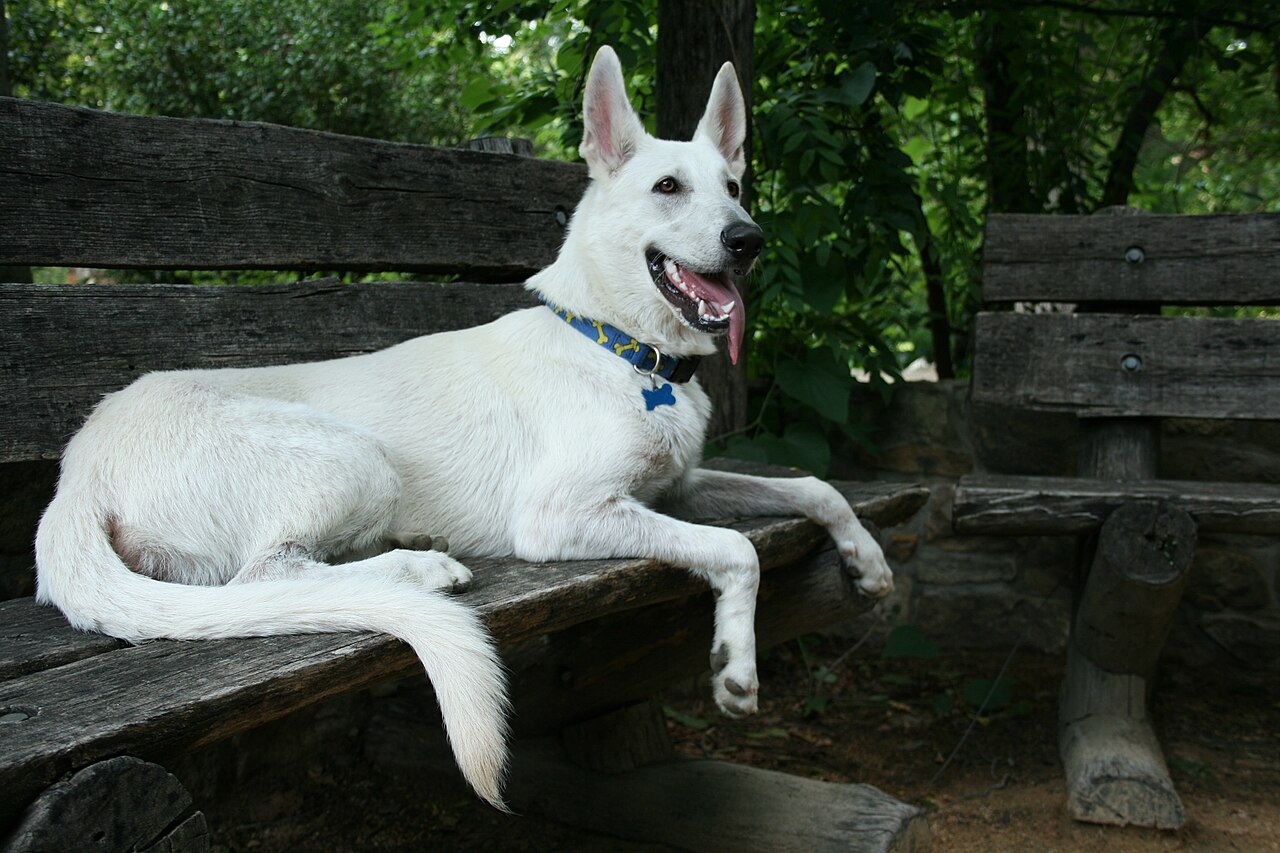
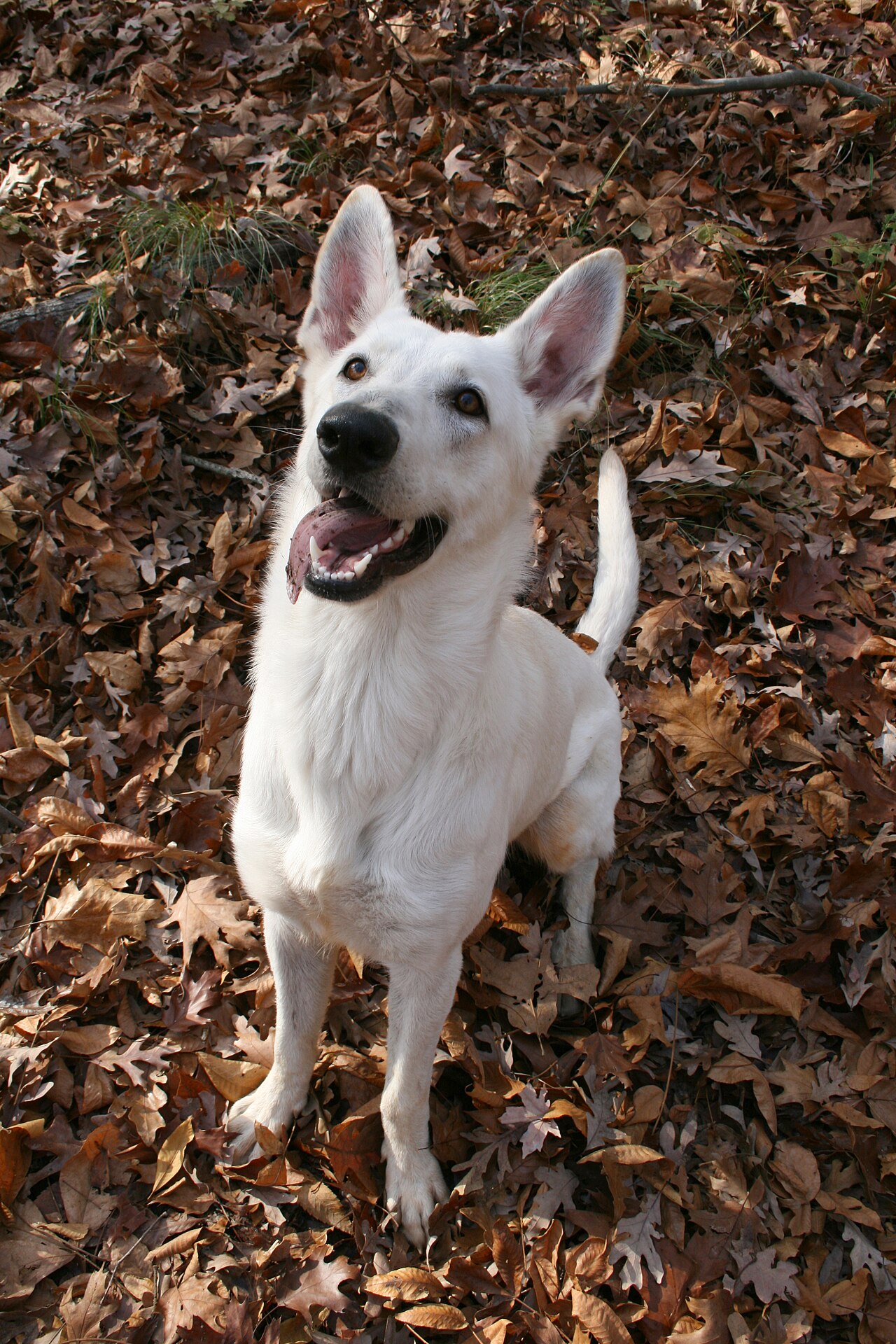
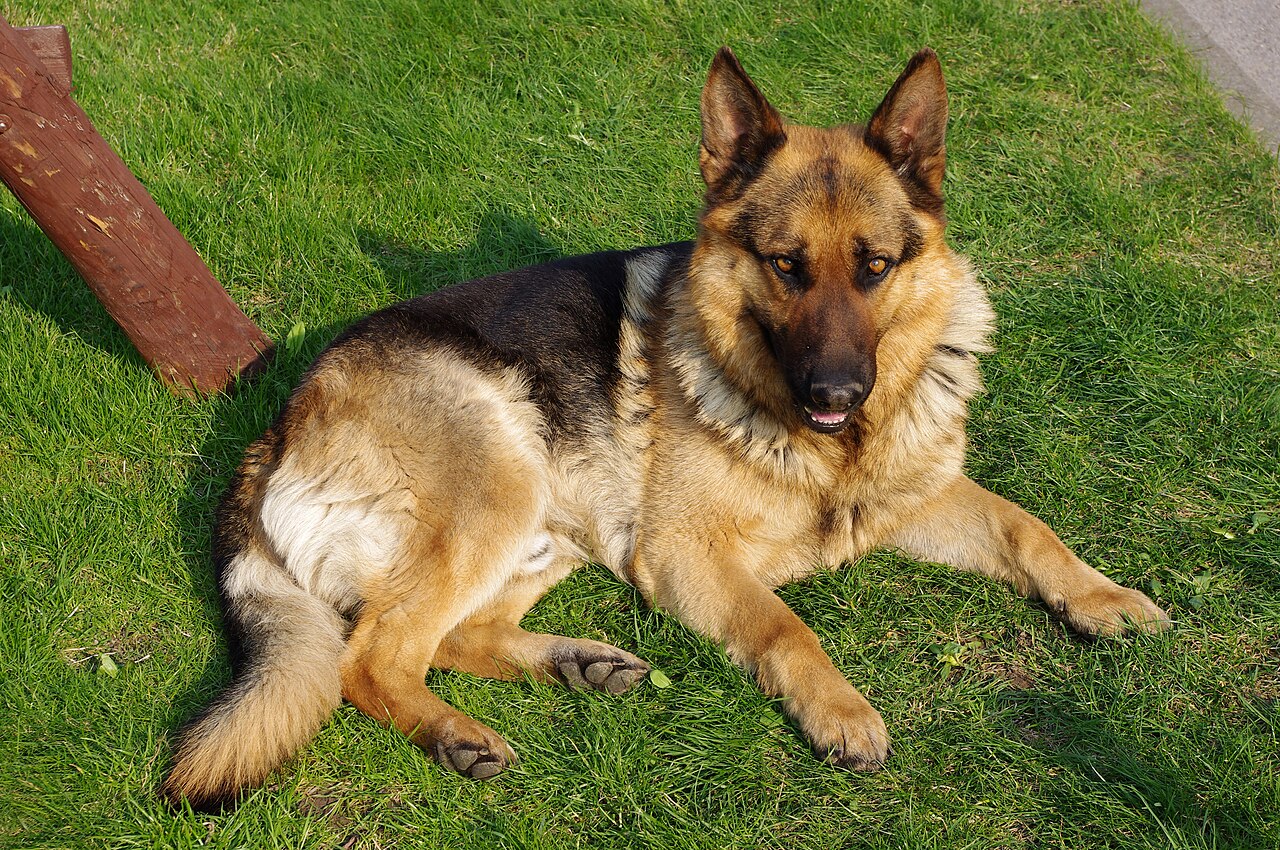
Frequently Asked Questions
Who is German Shepherd?
The German Shepherd is a medium-to-large working dog breed that originated in Germany and is sometimes called an Alsatian in the UK. It was purposefully standardized starting in 1899 by Max von Stephanitz, who combined several traditional German herding lines into one consistent type.
What are German Shepherd's powers and role?
German Shepherds excel across a broad spectrum of working duties, including herding livestock, police and military service, search-and-rescue operations, and disability assistance. Their blend of sharp intelligence, eagerness to obey, and physical capability makes them one of the most versatile working dogs in existence.
How does German Shepherd's origin story begin?
The breed's story traces back to 1899 in Germany, when Max von Stephanitz set out to create a uniform, dependable herding dog by selectively breeding from existing regional herding types. His deliberate program laid the groundwork for what would become one of the most widely registered dog breeds on the planet.
Why is German Shepherd so important to dog fans?
The breed gained international recognition after World War I and has since become one of the most frequently registered dog breeds worldwide. Its lasting importance comes from a proven track record in demanding roles like law enforcement, military work, and assisting people with disabilities.
What are German Shepherd's key physical stats?
Males typically stand 60–65 cm (24–26 in) at the shoulder, while females range from 55–60 cm (22–24 in). The breed is classified as medium to large in overall size and is recognized as a working dog hailing from Germany.
More in Dog Breeds 1-22
Spotted an error? Know more?
This is a living reference — every entry is fact-audited, and reader corrections feed straight into our audit queue. Suggest an edit · See this site's audit record