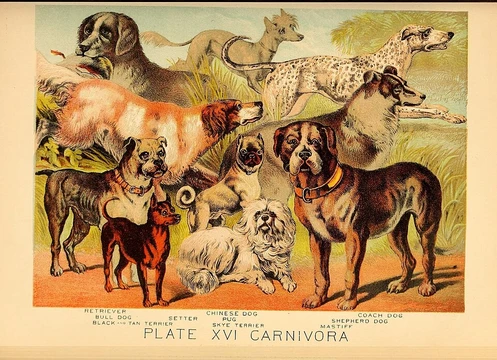
Dachshund
German badger-hunting hound with long body and short legs.

Slyronit · CC BY-SA 4.0
The Dachshund, also known as the Dackel or Teckel, is a German breed of short-legged, long-bodied dog of hound type. It was bred to scent, chase, and flush out badgers and other burrow-dwelling animals, and the miniature Dachshund was bred to hunt small animals such as rabbits. The breed has been kept by royal courts all over Europe, including that of Queen Victoria, and has traditionally been viewed as a symbol of Germany.
- Origin
- Germany
- Breed type
- Hound (scent hound group in US and UK; separate group in FCI countries)
- Coat varieties
- Smooth-haired, wire-haired, long-haired
- Common colors
- Red, black and tan, chocolate and tan, blue and tan, isabella and tan, wild boar
- Original weight
- 14–18 kg (31–40 lb)
Lore & Background
The Dachshund is a creation of German breeders and includes elements of German, French, and English hounds and terriers. The first verifiable references to the breed, originally named 'Dachs Kriecher' or 'Dachs Krieger', came from books written in the early 18th century. The original German Dachshunds were larger than the modern full-size variety, weighing between 14 and 18 kg, and originally came in straight-legged and crook-legged varieties; the modern Dachshund is descended from the latter. The exact origins of the breed are unknown, with authorities disagreeing as to the beginning of the breed. The smooth Dachshund gave rise to both the long-haired and the wire-haired varieties.
Reader's Guide
The Dachshund's significance lies in its specialized breeding for hunting badgers and other burrow-dwelling animals, a purpose that shaped its distinctive long-bodied, short-legged form, paddle-shaped front paws, loose skin, and curved tail. Its flap-down ears keep debris from entering the ear canal, and its curved tail aids visibility in long grass and helps haul the dog from burrows. The breed has been a symbol of Germany, leading to a decline in popularity in the United States during World War I, when they were often called 'liberty hounds'. The stigma revived to a lesser extent during World War II. The breed's classification remains debated: while placed in the hound or scent hound group in the US and UK, it has its own group in Fédération Cynologique Internationale countries, and wire-haired subtypes may exhibit terrier-like behavior. The double-dapple pattern, associated with eye disease, blindness, or hearing problems, is considered out of standard by the Dachshund Club of America and the American Kennel Club.
Did You Know?
- The name Dachshund means 'badger dog' in German, from Dachs ('badger') and Hund ('dog, hound').
- The curved tail of the Dachshund was bred to help haul the dog out if it becomes stuck in a burrow.
- During World War I, the Dachshund's popularity in the United States plummeted due to its association with Germany, and they were often called 'liberty hounds'.
Purpose-Bred Hunters of the Burrow
The Dachshund was engineered by German breeders with one singular mission: to track, scent, and flush out badgers and other animals that lived underground. This was not a casual companion dog but a working tool. The miniature variant was specifically developed to pursue smaller quarry such as rabbits. Beyond badgers, these dogs were deployed for fox and rabbit hunting, for tracking wounded deer, and in coordinated packs they even took on wild boar and wolverines. Every physical trait served a function. The flap-down ears were deliberately bred to shield the ear canal from grass seeds, dirt, and debris encountered while crawling through tunnels. The signature curved tail served a dual purpose: it made the dog more visible in tall grass, and if a dog became wedged inside a burrow, the curved tail gave handlers something to grab and pull the animal free. This was a dog designed from the ground up for a brutal, specific job.
A Mysterious and Contested Lineage
No one can point to a single, definitive origin for the Dachshund. What is established is that the breed is a creation of German breeders incorporating elements from German, French, and English hounds and terriers. The smooth-haired variety is the oldest style and gave rise to both the long-haired and wire-haired types. The long-haired Dachshund emerged either through selective breeding of smooth-coated dogs that occasionally produced slightly longer-haired puppies, or by crossing smooth Dachshunds with land and water spaniels. The wire-haired variety was the last to appear, developed in the late nineteenth century, possibly through crosses with hard-coated terriers, wire-haired pinschers, or breeds like the Schnauzer and Dandie Dinmont Terrier. The exact recipe remains one of the breed's enduring mysteries.
Germany's Unwanted Mascot
The Dachshund became so tightly linked to German national identity that political cartoonists across Europe wielded the image to mock the country. During World War I, this association took a real toll on the breed's standing in the United States, where its popularity cratered and owners rebranded them as "liberty hounds"—the same linguistic strategy applied to sauerkraut, which became "liberty cabbage." A milder version of the stigma resurfaced during World War II, though it faded more quickly. Yet the breed's German connection was not purely negative. Kaiser Wilhelm II and field marshal Erwin Rommel were both known to keep Dachshunds. In popular culture, the German sitcom Hausmeister Krause cemented the breed's role as a cultural touchstone, with the protagonist's obsession driving a renewed wave of interest in the country.
From Royal Courts to the Modern Kennel
Long before the Dachshund became a household pet, it occupied a place in the courts of European royalty. Queen Victoria was particularly devoted to the breed, and royal households across the continent kept them. The earliest verifiable written references to the dog by name appear in books from the early eighteenth century, where it was called the "Dachs Kriecher"—badger crawler—or "Dachs Krieger"—badger warrior. Earlier mentions of "badger dogs" and "hole dogs" likely described a function rather than a specific breed. The original German Dachshunds were notably larger than today's full-size variety, tipping the scales between fourteen and eighteen kilograms, and they came in both straight-legged and crook-legged forms; the modern breed descends from the crook-legged line. The breed's journey from royal favor to widespread domestication spans centuries.
Common Misconceptions (Editorial)
- Some people think the Dachshund was originally bred to hunt badgers in its current small size, but the original German Dachshunds were actually larger, weighing between 14 and 18 kg.
- It is a common misconception that the wire-haired and long-haired varieties were developed separately from the smooth, but the facts show the smooth Dachshund gave rise to both other coat types.
Why It Matters (Editorial)
The Dachshund endures not only as a beloved companion but as a living artifact of European hunting culture and royal patronage. Its distinctive shape, bred for a specific and dangerous job, reminds us that form often follows function in dog breeds—and that even an animal as iconic as the “wiener dog” carries a history of international influence and controversy.
Gallery

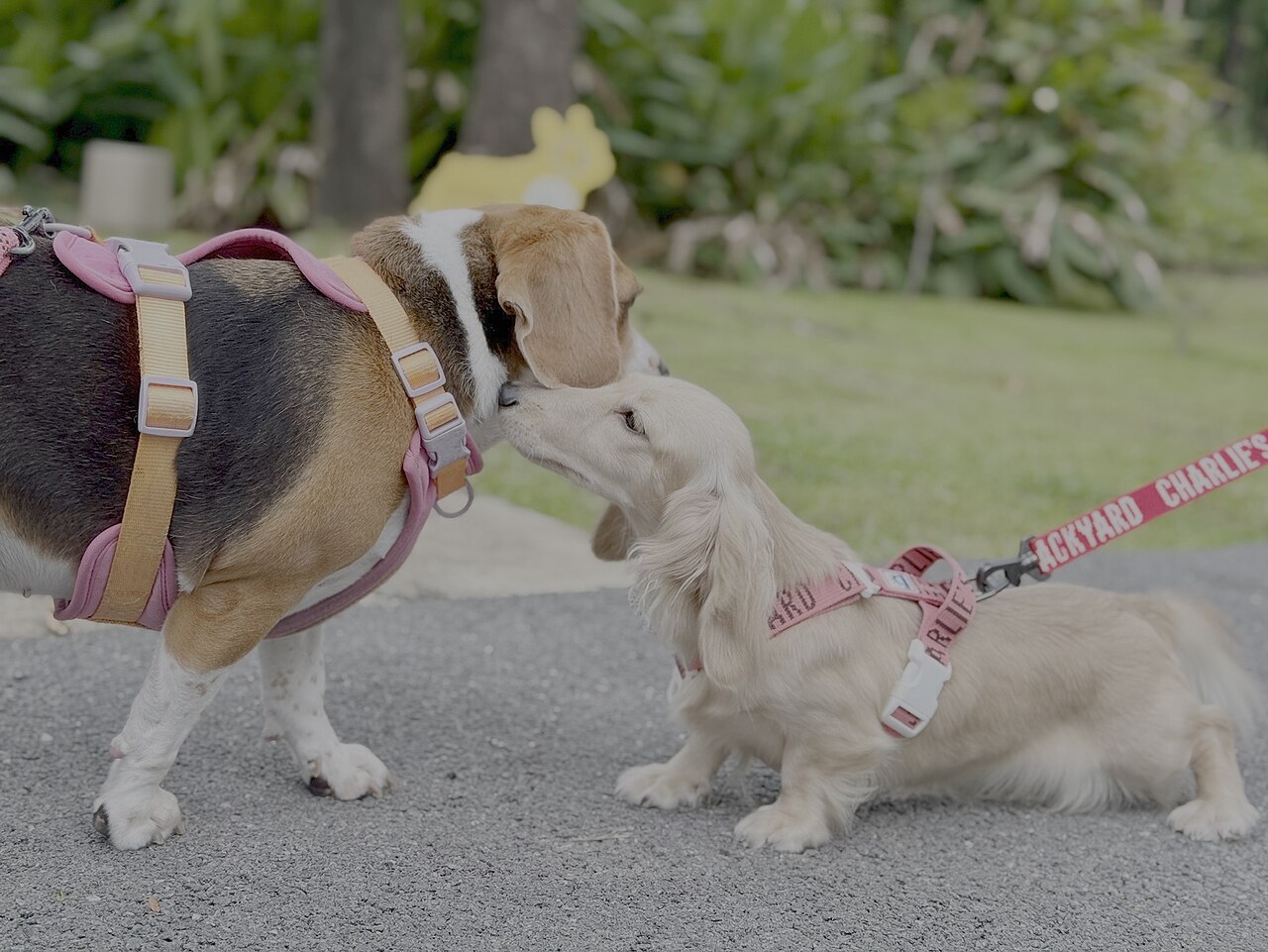
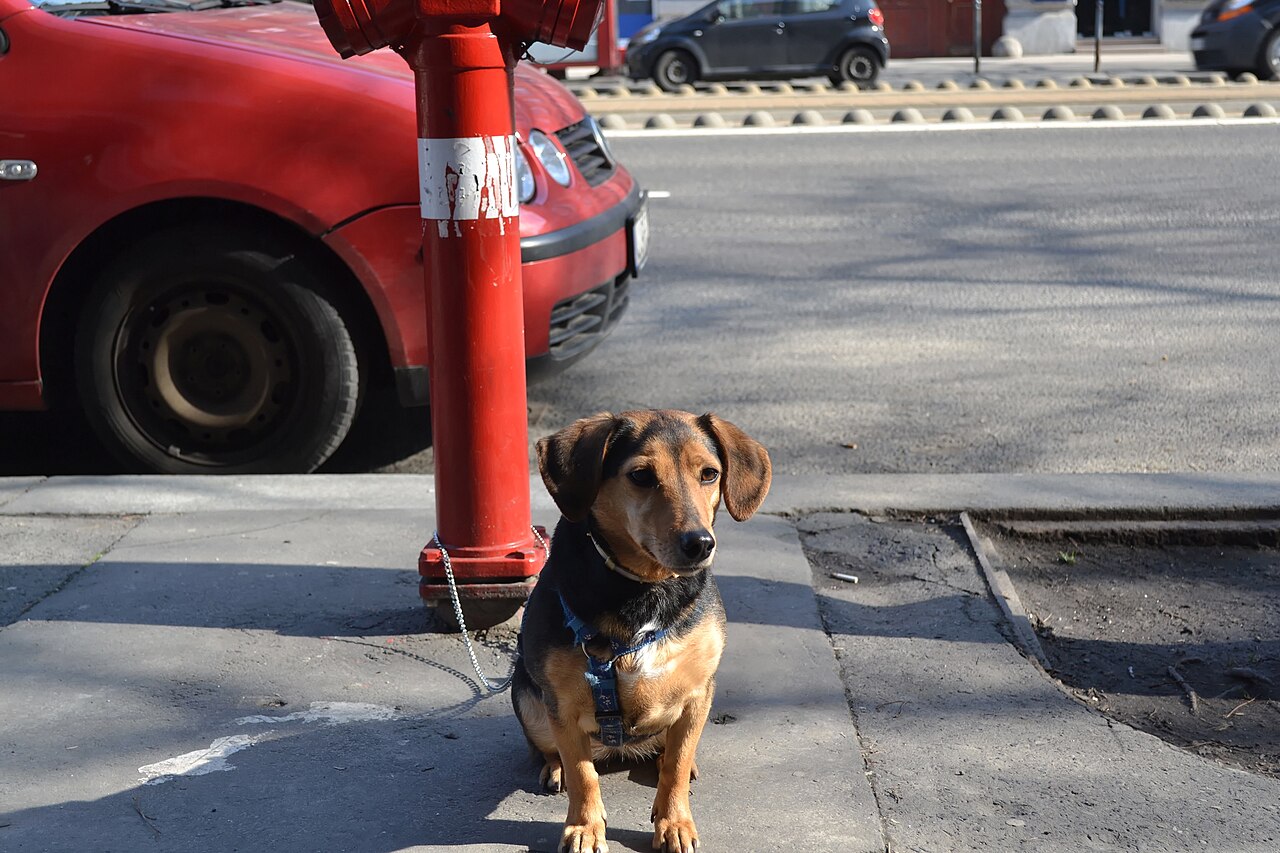
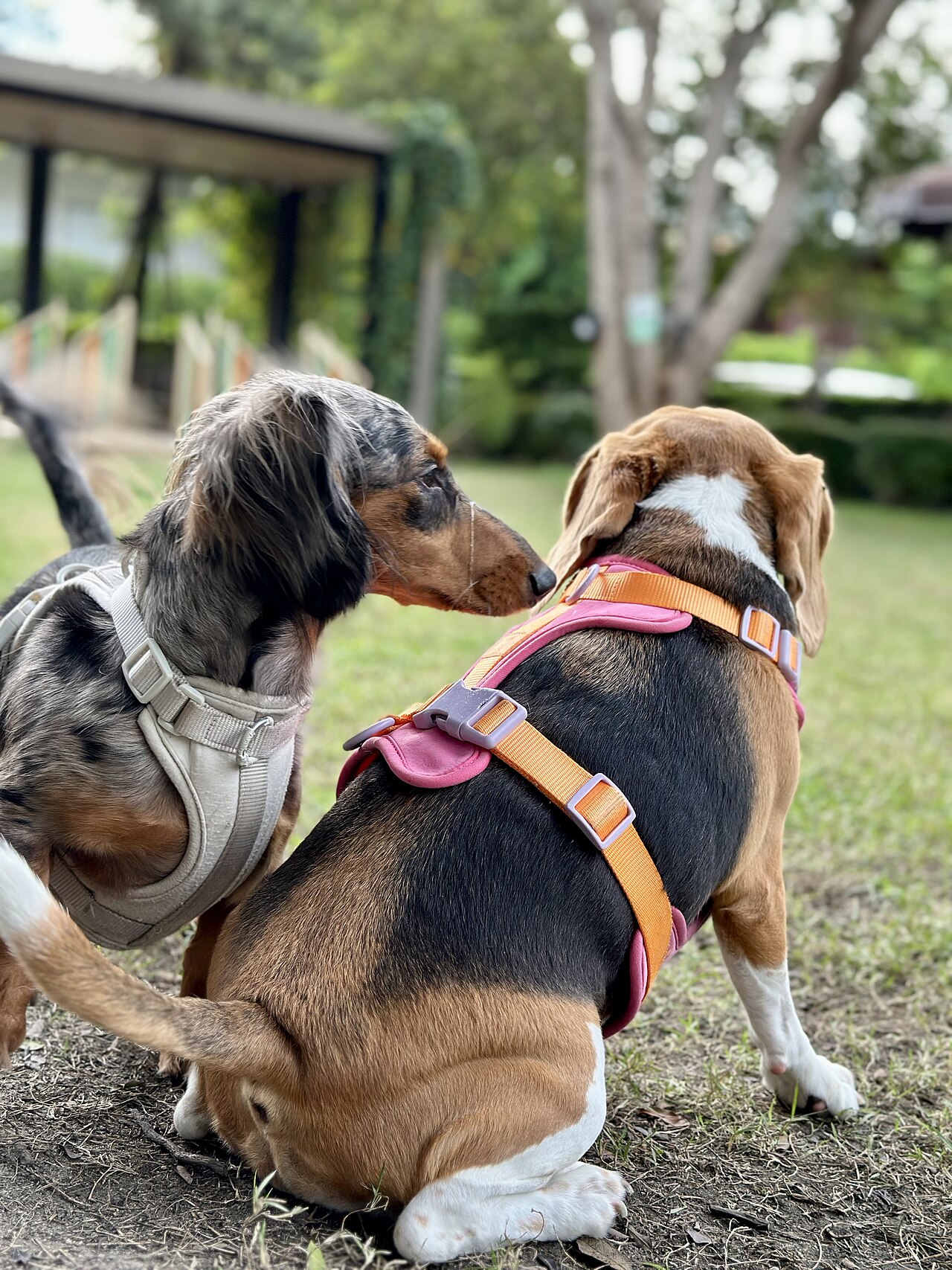
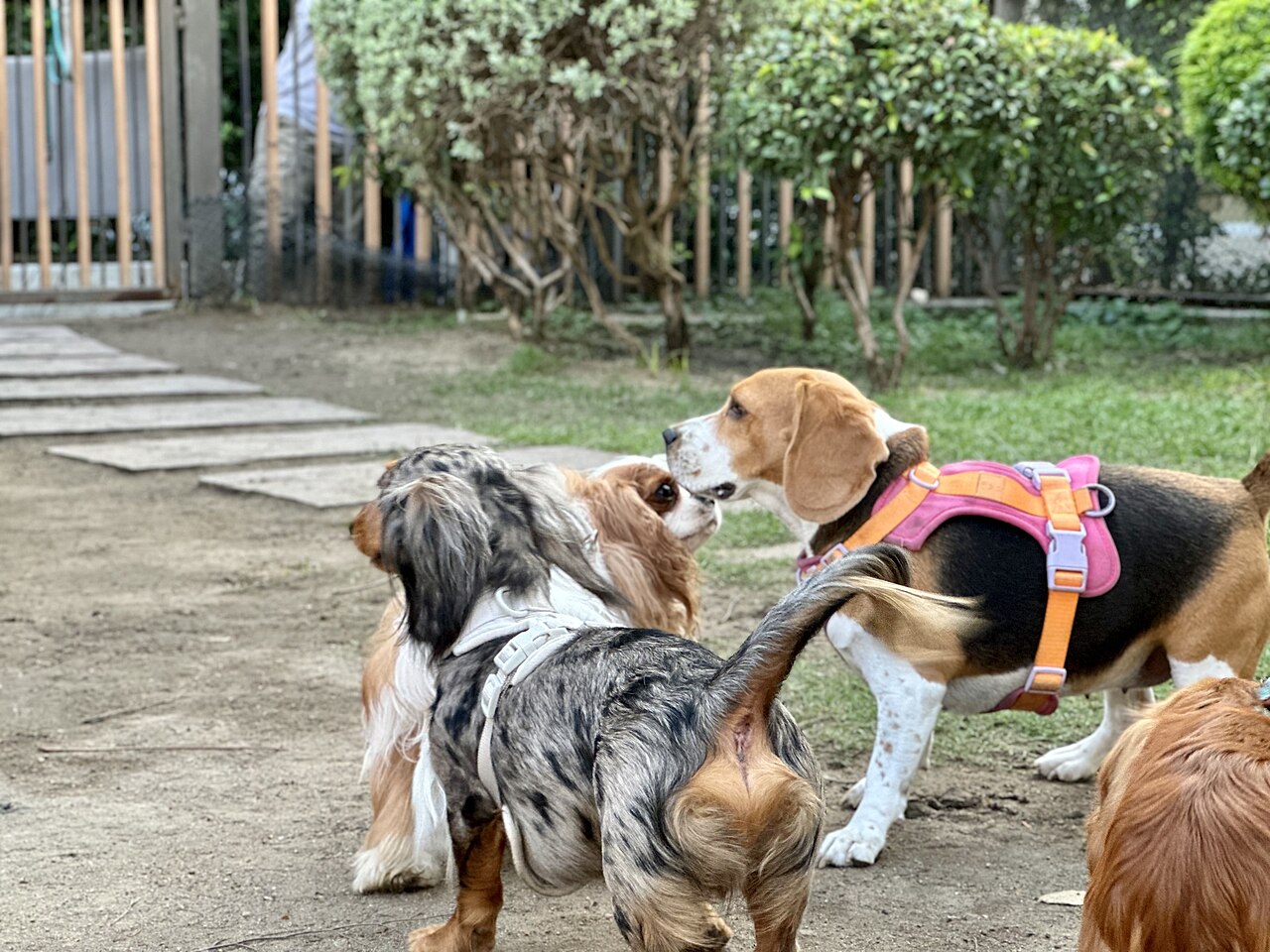
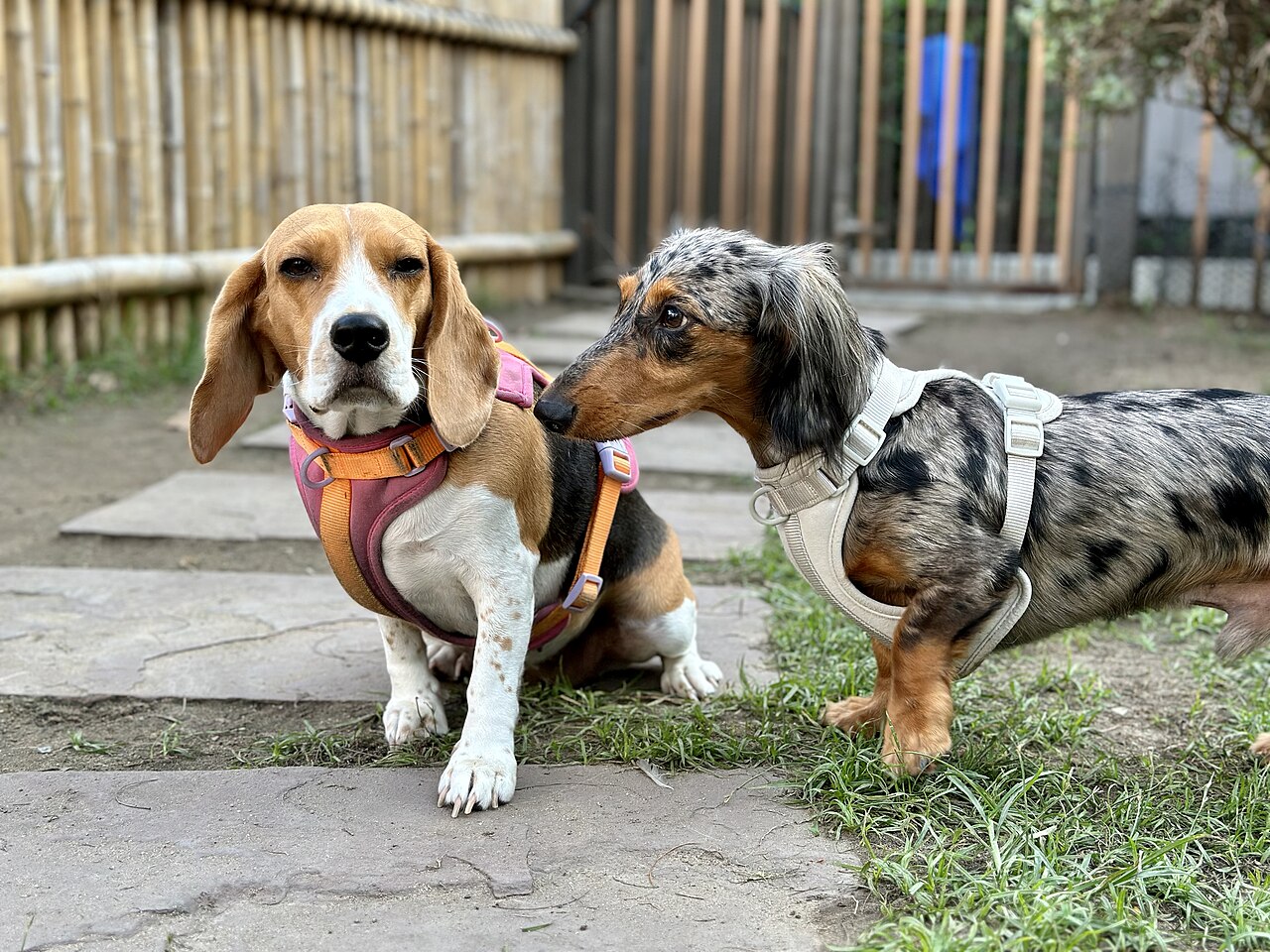
Frequently Asked Questions
Who is Dachshund?
Dachshund is a German hound breed defined by its elongated body and notably short legs, also called Dackel or Teckel. It appears in three coat types—smooth, wire-haired, and long-haired—and originally stood in the 14-to-18-kilogram weight range.
What are Dachshund's powers or role?
The breed was purpose-bred to scent, pursue, and flush badgers and other animals living in burrows, while a smaller miniature line was developed for rabbit hunting. Its long, low frame is a functional adaptation for navigating tight underground tunnels.
How does Dachshund's story end?
Dachshund's narrative has no final chapter because the breed remains actively recognized and bred worldwide today. Royal courts across Europe, including that of Queen Victoria, kept the dog for centuries, and it continues to serve as both a working hound and a companion animal.
What are Dachshund's known colors and classification?
Recognized color patterns include red, black and tan, chocolate and tan, blue and tan, isabella and tan, and wild boar. In the US and UK it sits within the scent-hound group, whereas FCI member countries assign it to its own separate breed group.
More in Dog Breeds 1-22
Spotted an error? Know more?
This is a living reference — every entry is fact-audited, and reader corrections feed straight into our audit queue. Suggest an edit · See this site's audit record