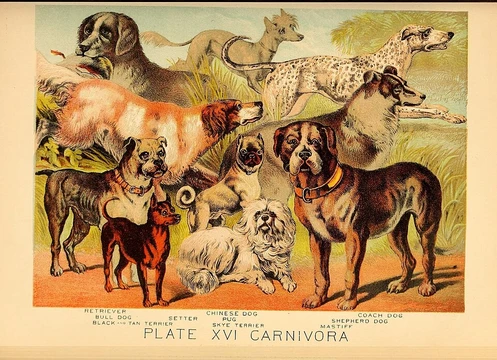
Labrador Retriever
British retriever breed developed from Newfoundland water dogs.

via Wikipedia: Labrador Retriever · see source
The Labrador Retriever, also known simply as the Labrador or Lab, is a British breed of retriever gun dog. It was developed in the United Kingdom from St. John's water dogs imported from the Colony of Newfoundland, and was named after the Labrador region in that colony. It is among the most commonly kept dogs in several countries, particularly in the Western world. Labradors are often friendly, energetic and playful. They were bred as sporting and hunting dogs, but are widely kept as companion dogs. Though content as companions, these dogs are intelligent and require both physical and mental stimulation. They may also be trained as guide or assistance dogs, or for rescue or therapy work.
- height (dogs)
- 57–62 cm (AKC); 56–57 cm (KC); 56–57 cm (FCI)
- height (bitches)
- 54.5–59.7 cm (AKC); 55–56 cm (KC); 54–56 cm (FCI)
- weight (dogs)
- 29.5–36.3 kg (AKC)
- weight (bitches)
- 24.9–31.8 kg (AKC)
- life expectancy
- 13.1 years (UK study)
Verified Timeline
Lore & Background
The Labrador breed dates back to at least the 1830s, when St. John's water dogs bred by European settlers in Newfoundland were first introduced to Britain from ships trading between Canada and Poole in Dorset. These were then bred with British hunting dogs to create what became known as the Labrador Retriever. Early patrons included the Earl of Malmesbury, the Duke of Buccleuch, the Earl of Home and Sir John Scott. In the 1830s the 10th Earl of Home and his nephews, the 5th Duke of Buccleuch and Lord John Scott, imported progenitors of the breed from Newfoundland to Europe for use as gun dogs. Another early advocate of these Newfoundland fishing dogs was the 2nd Earl of Malmesbury, who bred them for their expertise in waterfowling. During the 1880s the 3rd Earl of Malmesbury, the 6th Duke of Buccleuch and the 12th Earl of Home collaborated to develop and establish the Labrador Retriever breed. The dogs Buccleuch Avon and Buccleuch Ned, given by Malmesbury to Buccleuch, were mated with bitches carrying blood from those originally imported by the 5th Duke and the 10th Earl of Home. The offspring are the ancestors of all modern Labradors. By 1870 the name Labrador Retriever had become common in England. The liver (now usually called chocolate) Labrador emerged in the late 1800s, with liver-coloured pups documented at the Buccleuch kennels in 1892; the first yellow Labrador on record was born in 1899 (Ben of Hyde, kennels of Major C.J. Radclyffe). The breed was recognised by the Kennel Club in 1903. The first American Kennel Club (AKC) registration was in 1917.
Reader's Guide
The Labrador Retriever is significant as one of the most commonly kept dogs in several countries, particularly in the Western world. Its development from St. John's water dogs imported from Newfoundland into a distinct British breed reflects a deliberate breeding effort by aristocrats such as the Earls of Malmesbury and Home and the Dukes of Buccleuch. The breed's legacy includes its versatility as a gun dog, companion, guide dog, assistance dog, and therapy or rescue dog. Labradors have proven to have a high success rate at becoming guide dogs, with a 2006 study showing Labrador Retrievers and Labrador Retriever/Golden Retriever crossbreeds having the highest success rate among breeds tested. The breed's coat is short, dense, and water-resistant, and it has a soft mouth for retrieving game without damage. Health considerations include a predisposition to chronic hepatitis, with one UK study finding a 4.14 odds ratio; a UK study found average life expectancy to be 13.1 years, while a joint study by the Royal Veterinary College and University of Sydney concluded that chocolate-coloured Labradors have a shorter average life expectancy than other colours (by about 10%). The breed is also prone to hip and elbow dysplasia, eye diseases, exercise induced collapse, and obesity. Coat color is determined primarily by three genes: MC1R, Agouti, and CBD103.
Did You Know?
- The first yellow Labrador on record, Ben of Hyde, was born in 1899 at the kennels of Major C.J. Radclyffe.
- Liver-coloured (now called chocolate) Labrador pups were documented at the Buccleuch kennels as early as 1892.
- A 2011 study found that 13 out of 245 Labradors studied were heterozygous for the M264V mutation responsible for the melanistic mask.
- A joint study by the Royal Veterinary College and the University of Sydney concluded that chocolate-coloured Labradors have a shorter average life expectancy than other colours by about 10%.
- Labradors served as tracker dogs in the Vietnam War, alerting handlers to snipers, tripwires and weapons caches.
From Newfoundland Shores to British Kennels
The Labrador Retriever's story begins not in England but on the shores of the Colony of Newfoundland, where European settlers had developed a sturdy water dog known as the St. John's water dog. In the 1830s, trading vessels plying the route between Canada and Poole in Dorset carried these dogs to British shores, where they were crossed with native hunting dogs to produce a new type of gun dog. The breed took its name from the Labrador region of Newfoundland, the coastal area from which the original animals hailed. Among the earliest champions of these Newfoundland fishing dogs were the 10th Earl of Home, his nephews the 5th Duke of Buccleuch and Lord John Scott, and the 2nd Earl of Malmesbury, who valued their skill in waterfowling. Colonel Peter Hawker, writing in the fifth edition of his book Instructions to Young Sportsmen published in 1846, offered one of the first clear descriptions, noting the dog's size not larger than an English Pointer, its colour more often black than other colours, its long head and nose with a deep chest, fine legs, and short and smooth coat, and its habit of not carrying its tail as highly as the larger Newfoundland. By 1870 the name Labrador Retriever had become common in England.
Forging the Modern Breed
During the 1880s, three aristocratic families joined forces to crystallize the Labrador Retriever into a defined breed. The 3rd Earl of Malmesbury, the 6th Duke of Buccleuch, and the 12th Earl of Home collaborated, pooling the bloodlines they had accumulated over the previous decades. A pivotal moment came when Malmesbury presented two dogs, Buccleuch Avon and Buccleuch Ned, to the Duke of Buccleuch. These males were then mated with bitches whose pedigrees traced back to the original imports made by the 5th Duke of Buccleuch and the 10th Earl of Home. The resulting litters represent the common ancestry of every modern Labrador Retriever alive today. The breed's colour palette expanded during this era: liver-coloured pups, now called chocolate, were recorded at the Buccleuch kennels in 1892, and the first documented yellow Labrador, Ben of Hyde, was born in 1899 at the kennels of Major C.J. Radclyffe. Formal recognition followed, with the British Kennel Club admitting the breed in 1903 and the American Kennel Club registering its first Labrador in 1917.
Body, Coat, and the Science of Colour
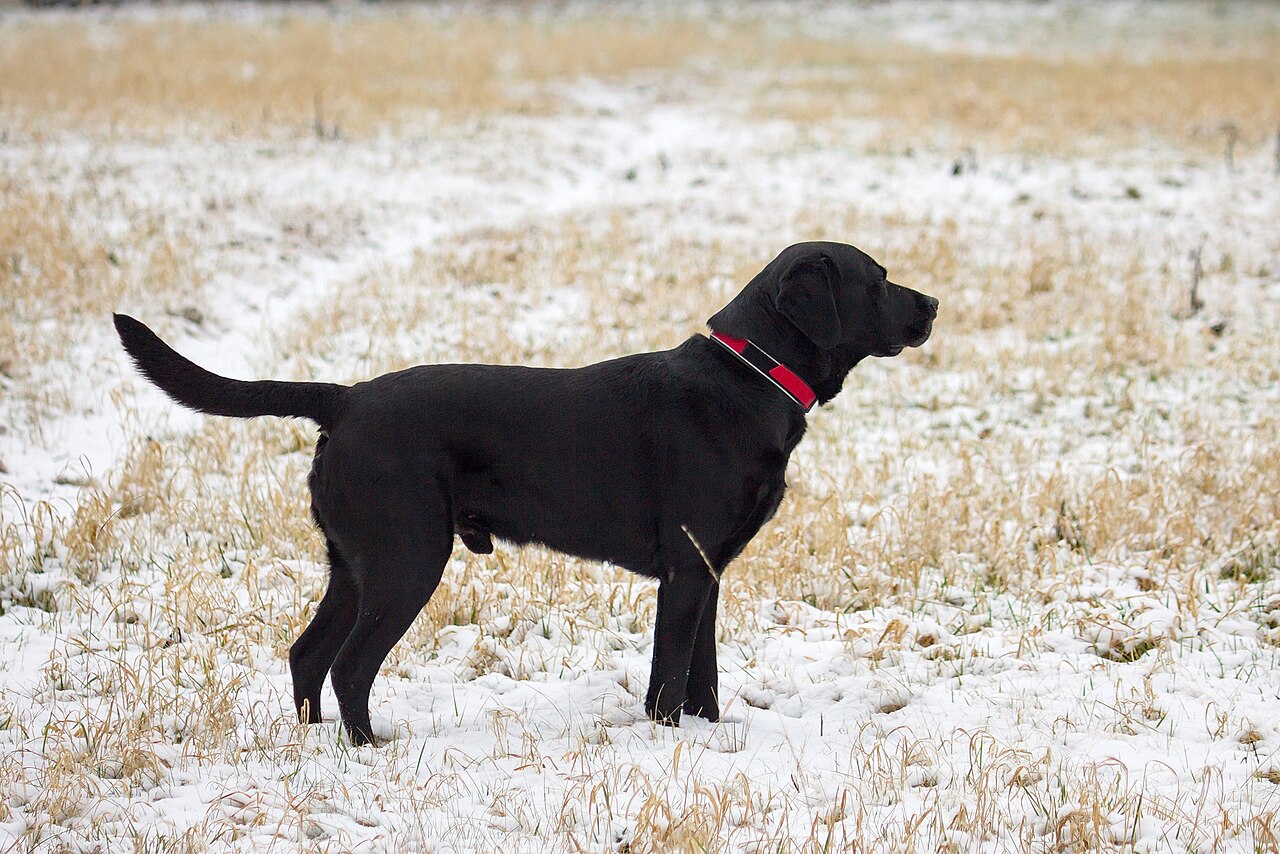
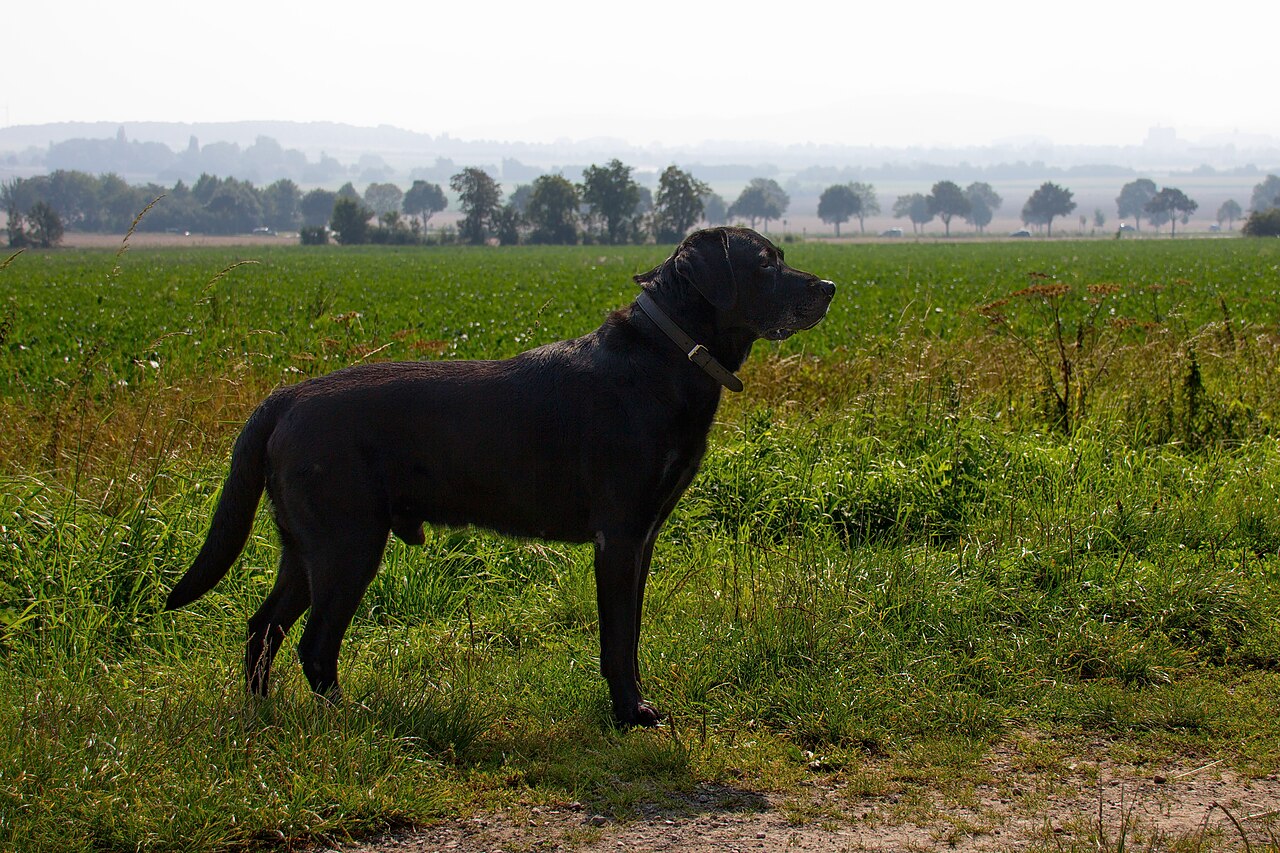
The Labrador Retriever is a medium-large dog with a powerful, muscular build, and its proportions are designed so that the distance from withers to the base of the tail roughly equals the height from floor to withers. The AKC standard includes an ideal weight for dogs of 25–36 kg (55–80 lb) and for bitches as 25–32 kg (55–70 lb). Height guidelines vary: the AKC gives 55 to 62 centimetres (21.5 to 24.5 in) for dogs and 55 to 60 centimetres (21.5 to 23.5 in) for bitches; The Kennel Club advises that dogs should be 56 to 57 centimetres (22 to 22.5 in) with bitches between 55 and 56 centimetres (21.5 and 22 in); and the FCI quotes a range of 56 to 57 centimetres (22 to 22.5 in) for dogs with bitches ideal at 54 to 56 centimetres (21.5 to 22 in). The coat is short, dense, and water-resistant, with a natural oily quality that keeps the dog comfortable in cold water during winter hunting. Both the tail and the coat are singled out as distinguishing features by the major kennel clubs; the AKC specifically calls the otter tail a hallmark of the breed alongside its temperament. Colour is governed by three key genes—MC1R, Agouti, and CBD103—and produces the three registered varieties: solid black, yellow ranging from creamy white to fox-red, and chocolate originally termed liver. A single loss-of-function mutation at MC1R will yield a yellow coat regardless of the other two loci, and all three colours can appear within one litter. According to a 2011 study, 13 out of 245 Labradors studied were heterozygous for the M264V mutation responsible for the melanistic mask, and one was homozygous.
Beyond the Field: A Versatile Companion
Although the Labrador Retriever was originally bred as a sporting and hunting dog, its role in modern life extends far beyond the shooting field. The breed is among the most commonly kept dogs in several countries, particularly across the Western world, and is widely cherished as a family companion. Labradors are typically friendly, energetic, and playful, qualities that make them well suited to household life. However, their intelligence means they demand both physical exercise and mental engagement; a content companion still needs regular stimulation to thrive. This same sharpness of mind and willingness to work has made the Labrador a natural candidate for service roles. The breed can be trained as a guide or assistance dog for people with disabilities, and it also excels in rescue operations and therapy work. In the United States, specialized breeding has produced distinct field and show lines, though both types are bred in both the UK and the US, and all Labradors ultimately descend from the same British foundation stock. Labradors have also been used as war dogs, including in World War II for bomb detection and handling dangerous situations, and in the Vietnam War as tracker dogs alerting handlers to snipers, tripwires and weapons caches.
Common Misconceptions (Editorial)
Some people believe the Labrador Retriever originated in Labrador, Canada, but the breed was actually developed in the United Kingdom from St. John's water dogs imported from the Colony of Newfoundland. Another common misconception is that only yellow or black Labradors are purebred, but the facts confirm that liver (chocolate) Labradors emerged in the late 1800s—documented at Buccleuch kennels in 1892—and the first yellow Labrador on record was born in 1899, showing color does not indicate impurity.
Why It Matters (Editorial)
The Labrador Retriever endures because it balances a remarkable history as a working gun dog with a modern role as a beloved family companion, guide dog, and therapy animal. Its intelligence, energy, and trainability make it indispensable in fields from hunting to rescue work, while its friendly temperament ensures it remains one of the most popular breeds worldwide—a testament to how a breed’s origins can shape its lasting relevance.
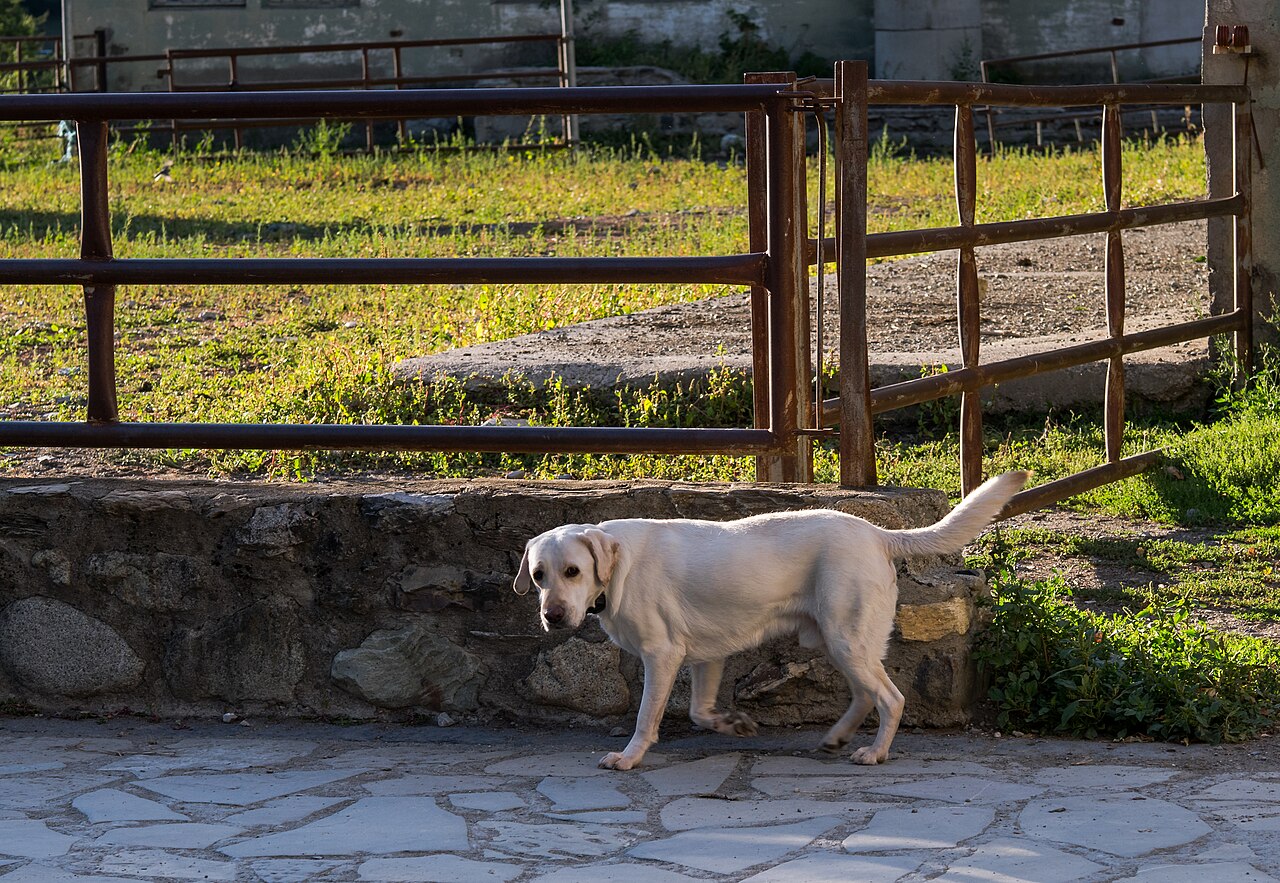
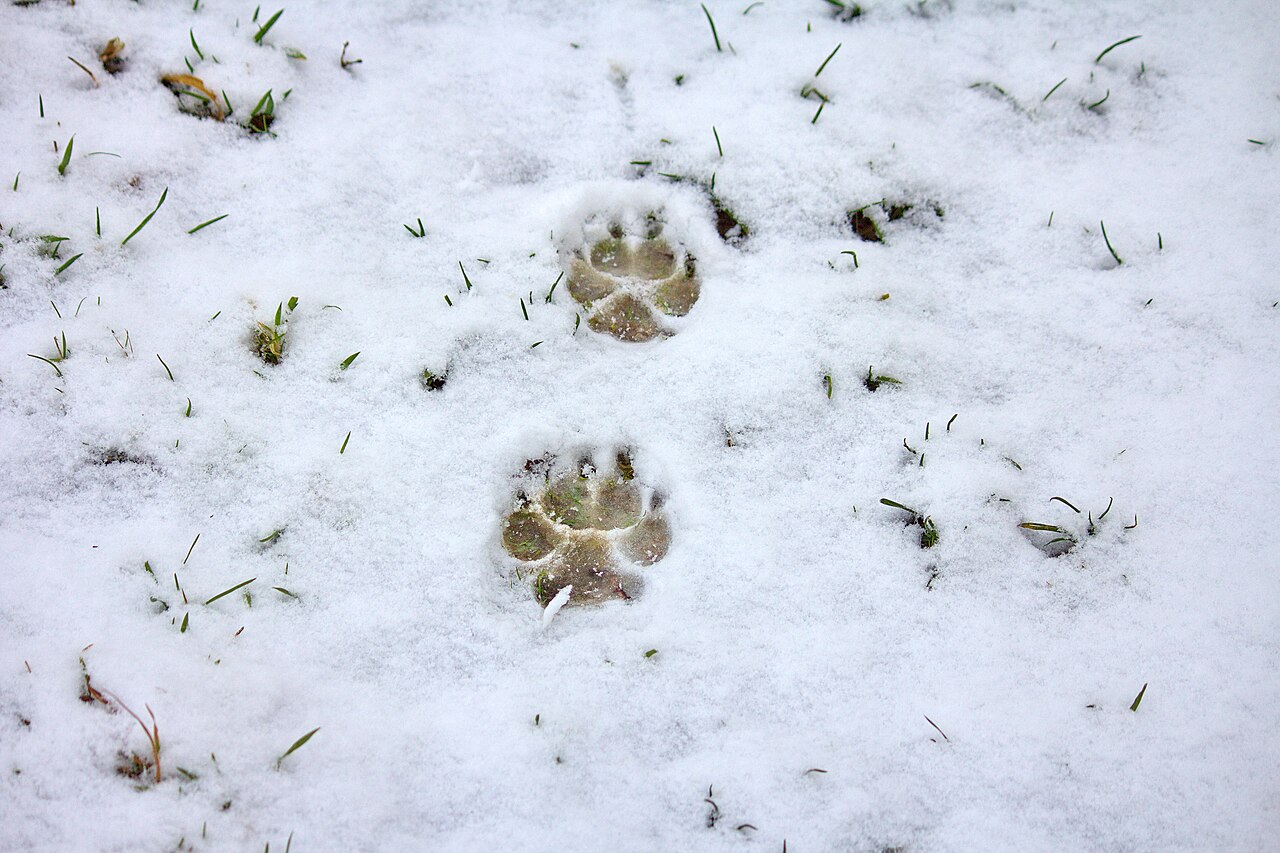
Gallery


Frequently Asked Questions
Who is Labrador Retriever?
A British gun-dog breed that traces its lineage to St. John's water dogs originally brought over from the Colony of Newfoundland, taking its name from the Labrador region of that territory.
What are Labrador Retriever's powers/role?
Bred as a sporting and hunting retriever, the Lab is celebrated for its friendly, energetic, and playful nature. Its high intelligence means it thrives on both physical exercise and mental challenges.
How does Labrador Retriever's story end?
A UK-based study pegs the breed's average lifespan at roughly 12.3 years, making it a solid mid-range companion in terms of longevity.
Why is Labrador Retriever important?
It ranks among the most popular pet dogs across several Western countries, having transitioned from a working hunting dog into one of the world's most beloved household companions.
What does Labrador Retriever look like?
Males typically stand 57–62 cm at the shoulder and weigh around 29.5–36.3 kg per AKC standards, while females come in slightly smaller at 54.5–59.7 cm and 24.9–31.8 kg.
More in Dog Breeds 1-22
Spotted an error? Know more?
This is a living reference — every entry is fact-audited, and reader corrections feed straight into our audit queue. Suggest an edit · See this site's audit record