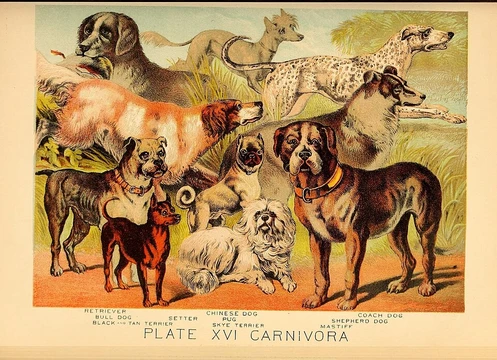
Poodle
A water dog of disputed origin, prized for intelligence and versatility.

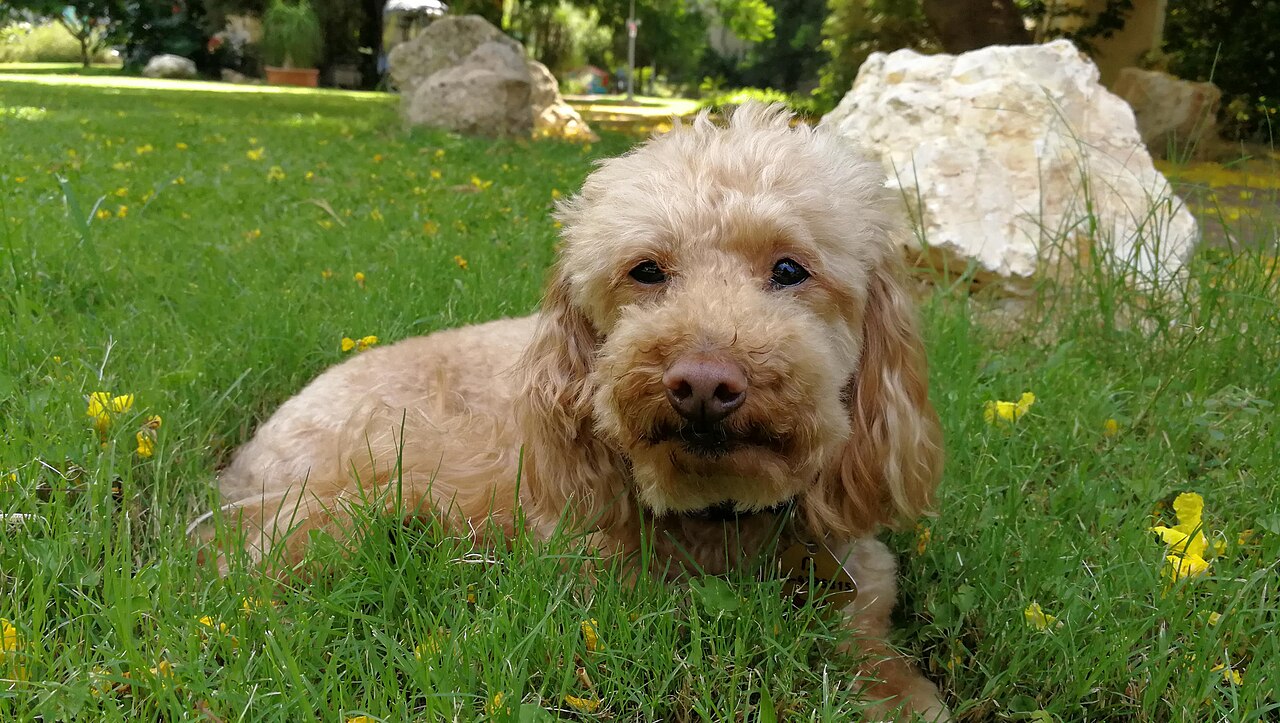
Gogerr · CC BY-SA 4.0
The Poodle, known as the Pudel in German and the Caniche in French, is a breed of water dog divided into four size varieties: Standard, Medium, Miniature, and Toy. Likely originating in Germany, though some cynologists and the Fédération Cynologique Internationale believe it originated in France, the breed has been depicted in art since at least the 17th century. Larger Poodles were used by wildfowl hunters, while smaller varieties became circus performers.
- Origin
- Germany (disputed; some cite France)
- Size Varieties
- Standard, Medium, Miniature, Toy
- Lifespan
- 10–18 years (smaller varieties tend to live longer)
- Coat
- Thick, curly, comes in many colors and patterns
- Temperament
- Active, intelligent, sociable
Lore & Background
The Poodle likely originated in Germany in the Middle Ages, from a dog similar to today's Standard Poodle. The German name 'Pudel' derives from the Low German 'puddeln,' meaning 'to splash,' and German artists from the 17th century depicted dogs of Poodle type. Some cynologists and the FCI argue for a French origin, descending from the Barbet. Both German and French breed names indicate ancestors were used by waterfowlers to retrieve game and lost arrows. Larger Poodles were originally employed by wildfowl hunters, while smaller varieties were bred down in size for circus work, particularly in France, where Miniature Poodles performed tricks like walking tightropes and card tricks. The Toy Poodle was created in the early 20th century by further breeding Miniatures down, though early attempts produced disfigured pups until better practices were adopted. The Medium Poodle, intermediate in size, is recognized by the FCI but not universally.
Reader's Guide
The Poodle's significance lies in its remarkable versatility and enduring popularity. Originally a water retriever, the breed adapted to circus performance and later became a premier companion and show dog. Its intelligence and trainability have made it a standout in obedience and conformation events. The Poodle's distinctive curly coat, often styled in the Continental clip for shows, is considered hypoallergenic by many, though research has not found consistent differences in allergens across breeds. The breed's size variants—Standard, Medium, Miniature, and Toy—allow it to suit diverse living situations. Its influence extends to crossbreeds like the Labradoodle, though the article does not mention these. The breed remains a fixture in dog shows and homes worldwide, valued for its athleticism, sociability, and adaptability.
Did You Know?
- The Poodle's German name 'Pudel' comes from the Low German word 'puddeln,' meaning 'to splash.'
- Larger Poodles were originally used by wildfowl hunters to retrieve game from water.
- The Toy Poodle was created in the early 20th century by breeding Miniature Poodles down in size.
Origins & the Water Dog Heritage
The Poodle's roots remain a point of gentle debate among canine historians. The prevailing view places the breed in medieval Germany, where it served as the nation's dedicated water dog—much as England had its English Water Spaniel or France its Barbet. The German name "Pudel" itself is a linguistic fingerprint of this aquatic past, derived from the Low German verb "puddeln," meaning to splash. German artists as far back as the 17th century painted dogs that are unmistakably Poodle in type. A minority camp, including the FCI, argues for French origins tied to the Barbet, while fringe theories point to Russia, Piedmont, or Northwest Africa. Regardless of the exact homeland, the breed's dual German and French names—Pudel and Caniche—both whisper of the same ancestral job: retrieving shot waterfowl and recovering stray arrows and bolts from marshes and rivers.
The Circus and the Birth of Smaller Varieties
The Poodle's intelligence, athleticism, and striking appearance made it a natural star of the traveling circus, particularly in France. At the dawn of the 20th century, breeders pushed the size reduction further to create a dedicated companion dog, the Toy Poodle. Early attempts were rough, producing disfigured pups and behavioral issues due to irresponsible dwarfing. Once more responsible breeding practices took hold, the Toy settled into a well-proportioned miniature of the original. A subsequent push toward an even tinier "Teacup" variety proved genetically untenable and was abandoned. The Medium Poodle, sitting between Standard and Miniature, was the last size to gain recognition and is accepted by the FCI and most Continental European clubs but not universally elsewhere.
Coat, Grooming, and the Hypoallergenic Reputation
The Poodle's most immediately recognizable trait is its thick, curly coat, which grows in a harsh, dense texture and comes in a wide palette of solid and patterned colors—though major breed registries officially acknowledge only solid shades. Grooming is a regular commitment: owners should expect to bathe and trim their Poodle every four to eight weeks. At dog shows, the breed is most often presented in the Continental clip, where the face and hindquarters are shaved close while decorative tufts remain on the hocks and tail tip. Beyond aesthetics, the Poodle is frequently cited as a hypoallergenic companion. The scientific rationale is twofold: individual hair follicles have a longer active growth phase than in many breeds, and the tight curl structure traps dander and dead hair rather than releasing it into the air. The result is that a Poodle may shed noticeably less allergenic material into a household environment than a typical double-coated breed.
Common Misconceptions (Editorial)
- Some people believe the Poodle originated in France, but the breed likely originated in Germany in the Middle Ages, with the German name "Pudel" meaning "to splash." While some cynologists and the FCI argue for a French origin descending from the Barbet, the origin remains disputed, and the facts note Germany as the primary candidate. - Another misconception is that Poodles are purely show or companion dogs; in fact, larger Poodles were originally used by wildfowl hunters to retrieve game from water, and smaller ones worked as circus performers.
Why It Matters (Editorial)
The Poodle endures as one of the most versatile and intelligent dog breeds, adapting from a working water retriever to a beloved family companion and even a circus performer. Its long lifespan and variety of sizes allow it to fit into many lifestyles, while its rich history across Europe gives it a cultural significance that goes beyond its often-stereotyped appearance.
Gallery
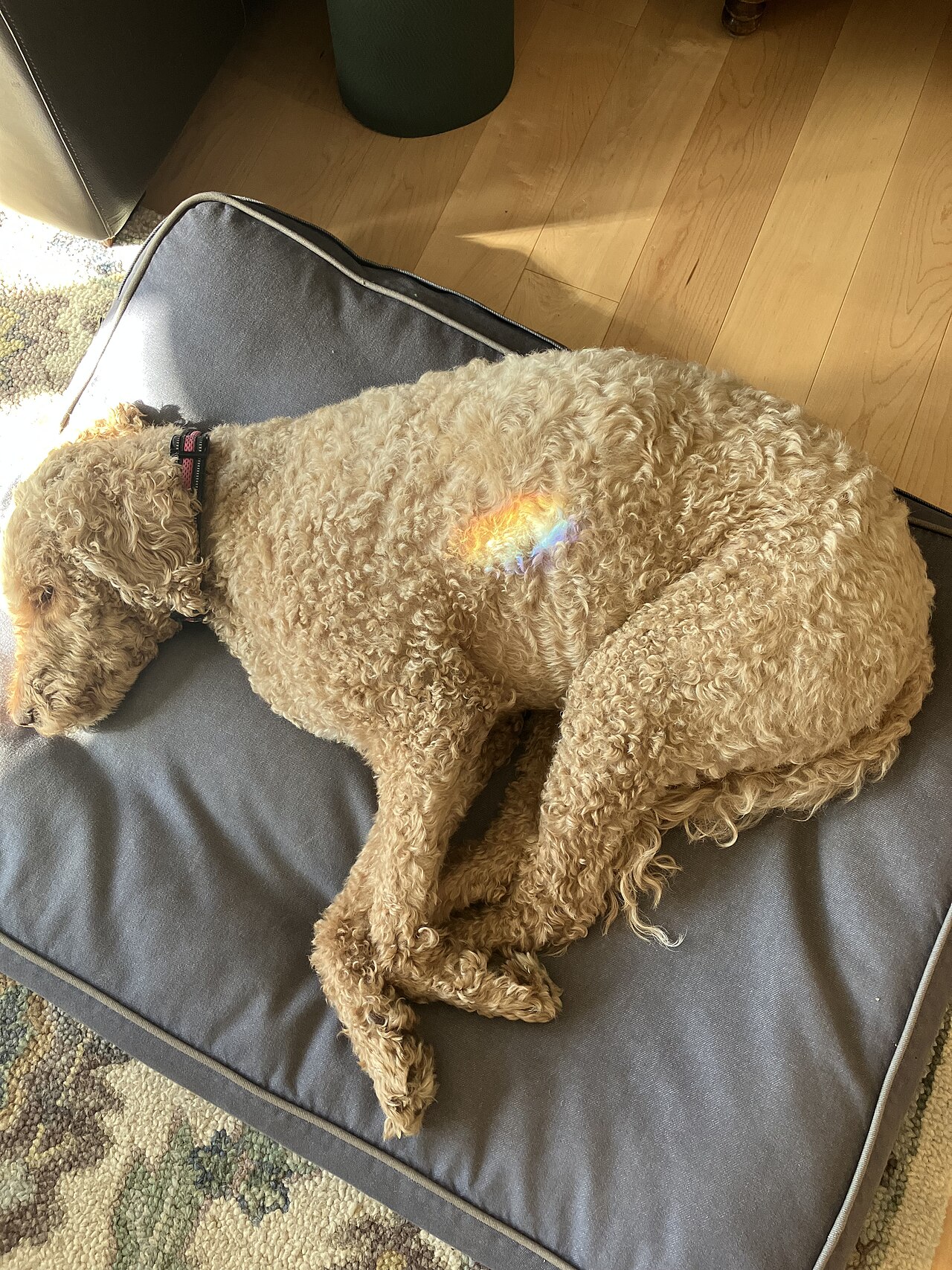
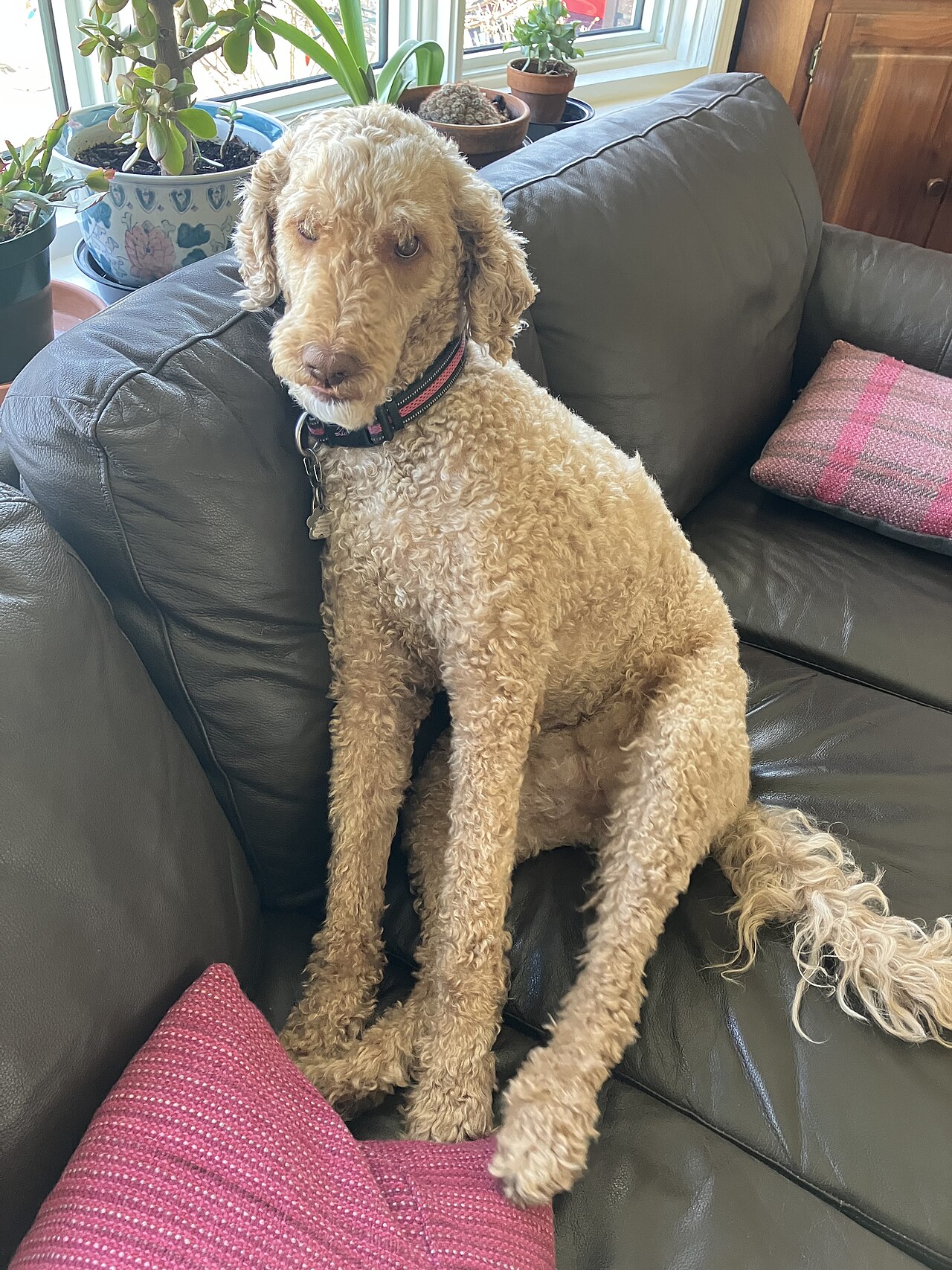
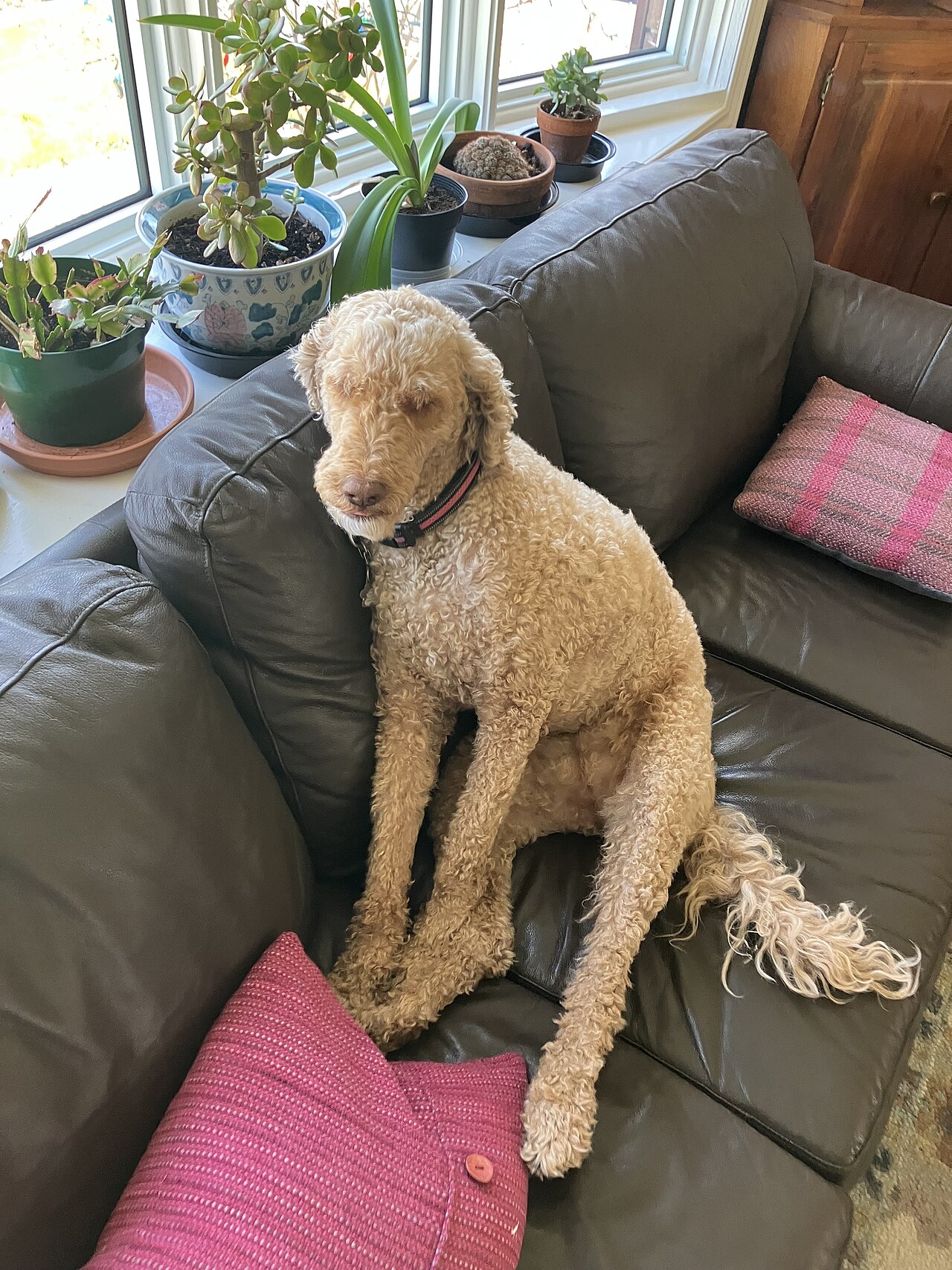
Frequently Asked Questions
Who is Poodle?
Poodle is a water dog breed available in four size varieties—Standard, Medium, Miniature, and Toy—and is known as Pudel in German and Caniche in French. It has been a recognized and celebrated breed in European art and kennel registries for well over three centuries.
What are Poodle's powers/role?
Poodle is renowned for its sharp intellect, high energy, and outgoing, people-loving temperament, making it an exceptionally trainable and versatile companion. Historically, the larger varieties worked as wildfowl retrievers, while the smaller ones became skilled circus performers.
How does Poodle's story end?
Poodle typically enjoys a lifespan of roughly 10 to 18 years, with the Miniature and Toy varieties tending to live closer to the upper end of that range.
What is Poodle's origin?
Poodle's homeland is genuinely disputed: most references point to Germany, while the Fédération Cynologique Internationale and some breed specialists argue for a French starting point. Regardless of the answer, the breed has been depicted in European artwork since at least the 1600s.
More in Dog Breeds 1-22
Spotted an error? Know more?
This is a living reference — every entry is fact-audited, and reader corrections feed straight into our audit queue. Suggest an edit · See this site's audit record